Calls for bold, courageous and compassionate actions were made Wednesday by top health officials and advocates as British Columbia marked the fifth anniversary of its deadly overdose crisis.
As we mark the sombre 5 year anniversary of BC's overdose emergency, our condolences go out to those who are grieving today and every day. We won't stop working until we build a system of mental health and addictions care that people in BC deserve. https://t.co/g9v7qeWO0r pic.twitter.com/kQRF8p79e0
— BC Government News (@BCGovNews) April 14, 2021
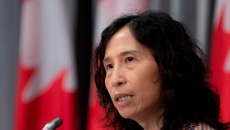
Chief coroner Lisa Lapointe and provincial health officer Dr. Bonnie Henry said moves to decriminalize possession of drugs, increase safe drug supplies and provide recovery programs are important steps, but more must be done.
The B.C. Coroners Service reports 7,024 illicit drug overdose deaths since the public health emergency was declared in April 2016.
"Death to illicit drug toxicity is now the fourth highest cause of death in B.C.," Lapointe said at a news conference. "The average age of those dying is 43. Fentanyl or fentanyl analogues are now detected in 80 per cent of all deaths."
Dr. Shannon McDonald, acting chief medical officer at the First Nations Health Authority, said toxic drugs continue to take a deadly toll on Indigenous people, with overdose deaths much higher than provincial averages.
The Coroners Service, which warned of the social and economic toll of the overdose crisis in reports dating back to the early 1990s, has repeatedly called for more evidence-based addiction treatments, expanded drug use safety options and more support for physicians to link patients to recovery programs, said Lapointe.
"We cannot continue with the current state," she said. "We must resolve to do much better."
Henry, who was part of the decision to declare the health emergency five years ago, said progress has been "painfully slow."
"Too many families have lost too many people for us to do anything less," she said. "Much has been done, but more, of course, remains to be done."
The ongoing COVID-19 pandemic has resulted in an increasingly toxic illicit drug supply and heightened anxiety and loneliness for many people with addiction issues, Henry said.
"We need to put as much time and effort and compassion into caring for people who use drugs as we have been to responding to this pandemic," she said. "This is how we will put an end to this crisis in time."
Henry said decriminalization of drug possession and increased access to safer supplies are important initiatives, but people with addiction issues also require help and supports.
"I have said many times that I have learned the opposite of addiction is connection," said Henry. "Now, more than ever, we need to find ways to connect with people who are using drugs to support them with compassion and love. We also need to be bold and courageous with the measures we need to take to address the many, many complexities of this problem together."
The ability to offer more recovery options to people beyond decriminalization and safe supply of drugs must be expanded in B.C., said Nirmala Raniga, a mental health and addictions expert who operates five drop-in drug treatment facilities in the Vancouver area.
"That in-person connection for the person suffering from mental health and addiction is crucial," she said. "We need to have this second thing in place, recovery. We need to have a wellness approach to this. People need to be persuaded they have options for improving."
B.C. is working with the federal government on an agreement outlining how the province will apply for an exemption to decriminalize simple drug possession, said Sheila Malcolmson, the province's mental health and addictions minister.
She also said B.C. will invest $45 million over three years to expand overdose prevention services, including more safe consumption sites, increases in life-saving naloxone and specialized teams to connect people with care.
Malcolmson said Wednesday criminalizing drug use increases stigma and pushes people to use alone.
The City of Vancouver recently submitted an application to Health Canada outlining that people should be allowed to carry a three-day supply of various drugs as it seeks to get a federal exemption to decriminalize the possession of small amounts of drugs.
Former provincial health officer Dr. Perry Kendall credited both the former Liberal and current NDP provincial governments for moving addiction issues forward, but said the spike in toxic drug deaths has become overshadowed by COVID-19.
"We aren't treating the overdose crisis with the attention we ought to be giving it," he said.
Kendall, who was B.C.'s public health officer from 1999 to 2018, said the crisis is being felt in every town and village in the province.
"They're not all people who are homeless ... we have people who are employed, or unemployed, who have families and children. They are us," he said.
A B.C. woman who lost her son to an overdose and co-founded an advocacy group because of his death said the province should be doing more to provide help for people with addiction issues.
"Here we are, five years later with more deaths, no real, fulsome, safe supply of drugs for people who need them and still, the government seems to be doing research and writing up plans we never see," said Leslie McBain of Moms Stop the Harm. "I'm disappointed."