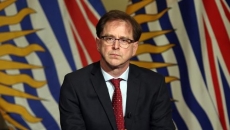
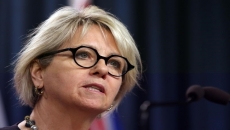
British Columbia is planning for a return to normal life after Labour Day as part of its four-step COVID-19 reopening plan.
The plan started today with the easing of restrictions that affected gatherings, sports events and dining, both indoors and outdoors.
Premier John Horgan says B.C.'s strong immunization rate allows the province to slowly bring people back together, with Sept. 7 a target date for the final phase of the plan to be implemented.
That means the earliest the public health emergency and provincial state of emergency could be lifted would be July 1.
Provincial health officer Dr. Bonnie Henry says restrictions being lifted today include allowing indoor and outdoor dining for up to six people, indoor gatherings with five personal visitors and in person faith-based gatherings, at reduced capacity.
Join us for a technical briefing and announcement about BC’s plan to safely restart the province. #RestartPlan #CovidBC https://t.co/lNas9IRFw8
— BC Government News (@BCGovNews) May 25, 2021
The government says the earliest travel restrictions could be lifted is June 15, with recreational travel permitted only within residents' regions.
 The province had entered the third phase of its restart plan before case counts climbed to new highs in March, forcing a stop to indoor dining, adult group fitness activities, and non-essential travel outside health authorities.
Health officials also backtracked on allowing in-person religious services.
Henry said the province will continue to monitor case counts and the condition of the virus.
"We’ll be staying flexible because we know this virus still has some tricks up its sleeve," she said.
On Monday, health officials reported 293 new cases of COVID-19, the lowest daily count since late October. Twelve more people died over the three-day reporting period, bringing the number of fatalities since the start of the pandemic to 1,679.
COVID-19 case counts increased rapidly as variants of the virus began to dominate. Infection rates peaked in early April, while hospital admissions increased and intensive care units filled with patients.
The number of hospitalizations prompted the government to cancel non-urgent surgeries in the Fraser and Vancouver Coastal health regions.
The restrictions were supposed to last until April 19 but were extended as more restrictions on travel were introduced.
Travel is limited within three regions, which are areas covered by the Fraser and Vancouver Coastal health authorities; the Northern and Interior health authorities; and Vancouver Island. Residents are asked to stay in their regions or risk a $575 fine if they don't have a valid reason for travel.