To improve public safety in the event of an emergency, a test of the BC Emergency Alert system will take place at 1:55 p.m. (Pacific time) on Wednesday, Nov. 19, 2025.
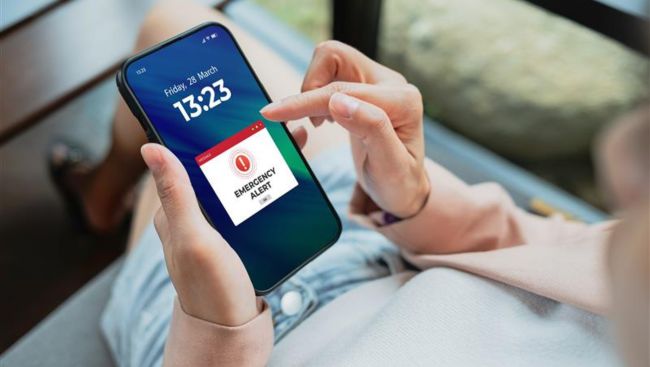
The test alert will be sent to all compatible cellphones and will interrupt radio and television broadcasts. The alert will be clearly identified as a test and will not require any action from the public.
The test message to cellphones will read:
"This is a TEST of the BC Emergency Alert System issued by the Province of British Columbia. This is ONLY a TEST. In an emergency, this message would tell you about the hazard and how to stay safe. This information could save your life. Visit https://www.emergencyinfobc.ca/test to learn more and give feedback on this test. This is ONLY a TEST."
The alert is part of a national test of the National Public Alerting System, which is a collaboration among federal, provincial and territorial governments, as well as industry partners. It provides a standard alerting capability to rapidly warn the public of imminent or unfolding hazards, and threats to life and safety.
The emergency alerting system is tested twice a year in British Columbia. Testing improves public awareness about B.C.'s emergency alerting system, provides people with an example of what to expect in the event of an actual emergency, and provides an opportunity to adjust the system before there is a real emergency.
BC Emergency Alerts are an important tool to provide people with timely, life-saving information when they need it. Alerts can be used by the Province to warn of imminent threats due to tsunami, flood, wildfire and extreme-heat emergencies.
Environment and Climate Change Canada (ECCC) is responsible for issuing emergency alerts for tornados, hurricanes, severe thunderstorms and storms surges. Police are responsible for alerts for civil emergencies and Amber Alerts.
In 2024, the federal government launched the Earthquake Early Warning system in British Columbia. If the threshold is met, this system will automatically issue an intrusive alert message to cellphones in the area expected to be affected, before strong shaking is felt. This alert message provides precious seconds of warning for people to better protect themselves and others.
People in British Columbia can participate in a short online survey following the test to help determine the reach of the test message. This survey is administered by Public Emergency Alerting Services Inc.:
* survey link in English: https://peasi.com/emergency-alert-test-survey.html
* survey link in French: https://peasi.com/enquete-de-test-dalerte-durgence.html
Quick Facts:
* To receive alerts, cellphones must be connected to an LTE cellular network.
* Cellphones must be turned on and not set to "do not disturb" or airplane mode, be wireless public alerting (WPA) compatible, be within the alert area and have up-to-date cellular software.
* Alerts will be broadcast automatically at no cost to the user.
* Following a 2014 Canadian Radio-television and Telecommunications Commission (CRTC) decision, all radio and television broadcasters in Canada are mandated to broadcast intrusive public alerts.