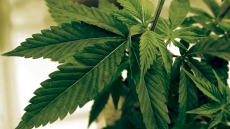
VICTORIA — Pot and liquor sales won't mix in British Columbia, but adults will be allowed to toke in some public spaces once marijuana is legalized later this year.
The province announced new details of its regulatory regime on Monday, including that cannabis will be sold online and through private and government-run stores. Retailers will not be permitted to sell weed in stores that sell liquor or tobacco.
B.C. will also allow people to smoke pot in public places where tobacco smoking and vaping are permitted, although it will be banned in vehicles and in areas frequented by children, including beaches, parks and playgrounds.
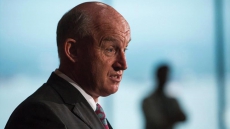
Public Safety Minister Mike Farnworth said there are many decisions left to be made and the province is waiting for federal regulations on cultivator licensing, seed-to-sale tracking and packaging.
"Some may think that this work will end in July when non-medical cannabis is legalized by the federal government," he said. "But the truth is our government will be dealing with this significant change in policy for years to come."
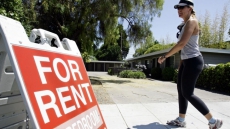
Adults in B.C. will be allowed to grow up to four plants per household, but landlords and strata councils can restrict or prohibit cultivation and smoking in properties.

The province will create a 90-day ban for those caught driving while drug-impaired and it will increase training for law enforcement officers to recognize impairment.
The B.C. government announced in December that 19 would be the minimum age to possess, purchase and consume non-medical cannabis. It also said B.C.'s liquor distribution branch would be the wholesale distributor of non-medical marijuana.
Farnworth said the province will launch an online application process this spring for people who are interested in applying for a retail licence, but licences won't be approved without the support of local governments.
Vancouver and Victoria have already set up regimes for marijuana dispensaries, but Farnworth said B.C. respects the wishes of other municipalities, such as Richmond, to reject pot shops altogether.
"We're not forcing anything down any community's throats," he said.
Kerry Jang, a Vancouver councillor and co-chairman of a committee providing input on B.C.'s cannabis regulations, said the licensing rules are very similar to those in place for liquor stores.

"Both sides have to agree before a licence is given for alcohol, and it's no different now with cannabis," he said. "I think that is an ideal situation."
Jang said the aim of the regulation allowing landlords to ban cannabis use and cultivation was to put an end to illegal grow operations inside rental properties.
"The main goal of that approach is to really stop the abuse that has gone on for many, many years that landlords and other tenants have complained about," he said.
Operators of illegal dispensaries will not be barred from consideration for a licence, nor will those with a record of low-risk criminal activity, the government said. However, involvement with organized crime will exclude applicants from becoming a licensee.
Kirk Tousaw, a lawyer focused on cannabis policy reform, said the province should have also considered direct-to-consumer sales at cultivation sites, as is permitted for craft breweries and vineyards.
"It's also, I think, unfortunate that renters are going to find themselves with less legal rights than people who own property, particularly when it comes to consumption," he said.
The Responsible Marijuana Retail Alliance of BC, an initiative of the union representing public liquor store workers and an association of private liquor outlets, said it was disappointed the government rejected its proposal to sell cannabis.
But it said liquor stores were still "well positioned" to provide safe and reliable access to cannabis because the province will allow marijuana stores to be located adjacent to alcohol-selling establishments.

Most provinces have decided against allowing liquor and pot to be sold together, though the Northwest Territories and Nova Scotia have permitted it. As for public consumption, Ontario has banned it outright but some provinces have allowed it.
B.C.'s policy changes are expected to be introduced at the legislative session this spring, and the government plans a public education campaign to create awareness of the rules before they come into force.
Mike Morris, the public safety critic for the provincial Liberal party, said the NDP government is dithering in making actual decisions and has only released part of its plan.
"The B.C. Liberal focus has always been public safety, ensuring children aren't exposed to cannabis and not allowing criminals to benefit from legalization. The NDP has failed with these weak regulations and British Columbians deserve better."
Details About Sale And Use Of Pot In B.C.
VANCOUVER — British Columbia has announced details of how marijuana will be sold and regulated in the province once the federal government makes it legal later this year. Here's a list of proposed regulations:
— Pot will be sold in public and private stores, not where liquor or tobacco are sold.
— Personal possession of non-medicinal marijuana for people who are at least 19 will be limited to 30 grams.
— Marijuana smoking will be allowed in public places where tobacco smoking or vaping is permitted, but not in parks or beaches where children would go.
— Adults will be permitted to grow up to four plants per household, but landlords are allowed to prohibit cultivation.
— A 90-day driving ban will apply to anyone caught driving while drug-impaired, and the province will increase training for law enforcement officers to recognize impairment.
— A registration process will be launched for people applying for a cannabis retail licence, but licences will not be issued without the support of local governments.
— The changes are expected to be introduced in the spring legislative session.