
Thursday, January 1, 2026
ADVT 
National

B.C.'s low snowpack, early-season melt raise drought concern: province

Darpan News Desk The Canadian Press, 12 May, 2025 01:14 PM
  • B.C.'s low snowpack, early-season melt raise drought concern: province

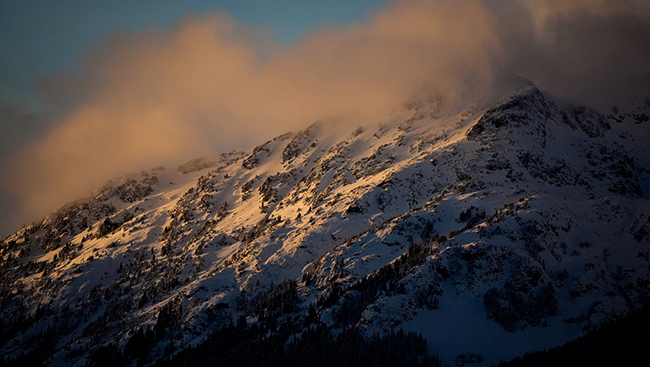
British Columbia's latest snowpack and water supply bulletin says drier, warmer weather last month has contributed to an early melt, raising concern for widespread drought this summer.

By early May, the bulletin says about five per cent of B.C.'s annual snowpack has typically melted, but 15 per cent had melted by the start of this month.

The bulletin from the province says snowpack was an average of 71 per cent of normal as of May 1, decreasing from 79 per cent of normal on April 1. 

The figure is slightly higher than last year, when B.C.'s snowpack was an average of 66 per cent of what would be normal on May 1.

The bulletin says low snowpackearly snowmelt and warm seasonal weather forecasts all point to "elevated drought" this summer.

It says rivers on Vancouver Island, the South Coast and in northeastern B.C., where snowmelt is not a significant contributor this spring, are flowing "at or near record low levels for early May."

Still, the bulletin notes spring and summer temperatures and precipitation are also key factors that will influence drought conditions.

Seasonal weather forecasts from Environment Canada in late April indicate a greater likelihood of above-normal temperatures in B.C. through July, it says.

The bulletin says May is forecast to be wetter than normal in parts of northern B.C., while it's expected to be drier in the south.

Snow basins are greater in higher-elevation regions compared with 2024 as more snow accumulated throughout the season, it says, but lower-elevation basins tend to have a lower level due to earlier melting.

Snowpack levels on May 1 were under 60 per cent or "well-below" normal in the Upper Fraser West, Lower Thompson, Nicola, Bridge, Skagit, Central Coast, Similkameen, and Skeena-Nass basins, the bulletin says.

There is no elevated flood risk based on the current snowpack. However, in areas with low snowpack, the bulletin notes key flood risks shift toward heavy rain, either short-duration events or prolonged periods of wet weather.

"It is important to note that May and June are wet months through the B.C. Interior with the potential for extreme precipitation patterns," it says, adding the flood season can extend into July in the Rockies and the northeast.

"Therefore, precipitation poses a flood risk through the spring even with limited snowpack," the bulletin says.

Picture Courtesy: THE CANADIAN PRESS/Darryl Dyck

MORE National ARTICLES

Canada slaps retaliatory tariffs on hundreds of U.S. goods, outlines response plan

Canada slaps retaliatory tariffs on hundreds of U.S. goods, outlines response plan
Ottawa is imposing 25 per cent tariffs on hundreds of goods originating in the United States — from meat and milk to carpets and curtains — in response to steep new American levies against Canada. A federal official also signalled that Canada will pursue available legal remedies in response to the U.S. breaching its international trade commitments.

Canada slaps retaliatory tariffs on hundreds of U.S. goods, outlines response plan

Employment Outlook 2025: Opportunities and Challenges in BC and Canada

Employment Outlook 2025: Opportunities and Challenges in BC and Canada
The employment landscape in British Columbia (BC) and Canada is undergoing dynamic transformations shaped by economic shifts, evolving labor market demands, and demographic changes. As we move into 2025, a comprehensive outlook reveals both opportunities and challenges for job seekers, particularly for immigrants, underrepresented groups, and youth entering the workforce.  

Employment Outlook 2025: Opportunities and Challenges in BC and Canada

Ottawa defers effective date of capital gains changes to 2026, promises exemptions

Ottawa defers effective date of capital gains changes to 2026, promises exemptions
The federal government says it is deferring the implementation of a hike to the capital gains inclusion rate to next year and plans to introduce new exemptions to ensure most middle-class Canadians do not pay more tax if the rate becomes official. The deferral announced by Finance Minister Dominic LeBlanc on Friday delays the implementation of the change from June 25, 2024 to Jan. 1, 2026.

Ottawa defers effective date of capital gains changes to 2026, promises exemptions

Surrey mayor joins alliance of border communities ahead of possible tariffs

Surrey mayor joins alliance of border communities ahead of possible tariffs
Surrey Mayor Brenda Locke said potential U.S. tariffs would put hundreds of jobs in her community at risk, as she became the latest mayor to join an alliance advocating for Canadian border communities. Locke said Thursday that more than 20 per cent of businesses in Surrey have direct trade ties with the United States amounting to roughly $2.8 billion in cross-border commerce each year.

Surrey mayor joins alliance of border communities ahead of possible tariffs

Wendy Cocchia sworn in as B.C.'s 31st lieutenant-governor

Wendy Cocchia sworn in as B.C.'s 31st lieutenant-governor
Premier David Eby has introduced British Columbia's new lieutenant-governor, saying Wendy Cocchia's lifelong leadership and dedication to community service sets an example for everyone. Cocchia, a longtime businesswoman and philanthropist, was sworn in at a ceremony at B.C.'s Parliament buildings on Thursday before an audience of family, friends, Indigenous leaders, members of the legislature and other dignitaries.

Wendy Cocchia sworn in as B.C.'s 31st lieutenant-governor

Avalanche warning issued for BC

Avalanche warning issued for BC
Avalanche Canada is warning anyone planning to head into British Columbia's backcountry that incoming winter weather is expected to bring a "major increase in avalanche danger."

Avalanche warning issued for BC