
Thursday, June 25, 2026
ADVT 
National

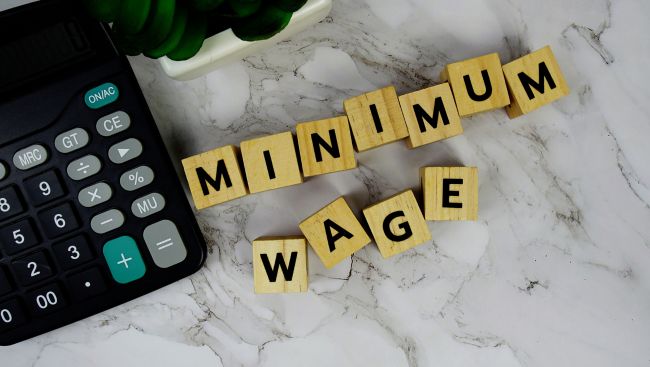
B.C.’s minimum wage increases to $18.25, June 1

Darpan News Desk Darpan, 26 May, 2026 10:57 AM
  • B.C.’s minimum wage increases to $18.25, June 1

As of Monday, June 1, 2026, the province's general minimum wage will rise to $18.25 an hour.

Types of wages affected

The increase of just over 2.1% raises the general minimum wage from $17.85 to $18.25 per hour. The same percentage increase applies to the minimum rates for resident caretakers, live-in home-support workers, live-in camp leaders and app-based ride-hailing and delivery service workers.

The minimum agricultural piece-rate wages for the hand harvesting of specified crops will increase by just over 2.1% on Dec. 31, 2026. The Dec. 31 date for the annual increase to the minimum piece rates ensures crop producers will not need to adjust wages in the middle of the harvesting season.

Context for this increase

* The Province is committed to a minimum wage structure that benefits the lowest-paid workers, while providing employers with certainty and predictability.

* Changes were made to the Employment Standards Act in 2024 to ensure annual minimum wage increases occur automatically based on B.C.'s average monthly inflation rate from the previous year.

* Approximately 141,300 employees in B.C. earned the minimum wage or less in 2025.

* These increases have moved B.C. from near the bottom to among the highest minimum wages in Canada.

Learn More:

* For details on this year's minimum wage increase, read the news release: https://news.gov.bc.ca/releases/2026LBR0002-000191

 

MORE National ARTICLES

Retiring government rep Marc Gold calls Senate 'greatest privilege' of his life

Retiring government rep Marc Gold calls Senate 'greatest privilege' of his life
Gold reaches the Senate's mandatory retirement age of 75 on Monday.

Retiring government rep Marc Gold calls Senate 'greatest privilege' of his life

Is Canada now free of internal trade barriers? Read the fine print

Is Canada now free of internal trade barriers? Read the fine print
Throughout the spring federal election campaign, Liberal Leader Mark Carney repeatedly vowed to "eliminate" interprovincial trade barriers and create "free trade by Canada Day."

Is Canada now free of internal trade barriers? Read the fine print

Amid calls for separation, Alberta's new referendum rules set to formally take effect

Amid calls for separation, Alberta's new referendum rules set to formally take effect
Beginning Friday, Premier Danielle Smith’s United Conservative government is officially lowering the required threshold for citizens to initiate a provincewide referendum, including on separation.

Amid calls for separation, Alberta's new referendum rules set to formally take effect

Canada cancelled its digital services tax. What was it and why did the U.S. hate it?

Canada cancelled its digital services tax. What was it and why did the U.S. hate it?
The announcement from Finance Minister François-Philippe Champagne came late Sunday evening, following a phone call between Prime Minister Mark Carney and U.S. President Donald Trump.

Canada cancelled its digital services tax. What was it and why did the U.S. hate it?

Political, health leaders among more than 80 new appointees to the Order of Canada

Political, health leaders among more than 80 new appointees to the Order of Canada
The list includes Marc-André Blanchard, who takes over in July as Prime Minister Mark Carney's chief of staff. Blanchard previously worked as a lawyer and as Canada’s ambassador and permanent representative to the United Nations.

Political, health leaders among more than 80 new appointees to the Order of Canada

CFIB says internal trade barriers coming down, but patchwork could create challenges

CFIB says internal trade barriers coming down, but patchwork could create challenges
The organization's latest "internal trade report card" grades the federal and provincial governments based on factors related to interprovincial and territorial co-operation. It said Nova Scotia ranked highest in its 2025 evaluation, as the first province to introduce and implement mutual recognition legislation.

CFIB says internal trade barriers coming down, but patchwork could create challenges