OTTAWA - There is a noticeable decline in how trusting Canadians are of their leaders and institutions as the pandemic drags on, and it's particularly striking among those who remain anxious or stressed about COVID-19, a new survey suggests.
"When we have 46 per cent of Canadians saying they still feel anxiety and stress, it's taking a toll on trust in Canada," said Bruce MacLellan, CEO of Proof Strategies.
The data is part of the 2022 edition of Proof's trust index, a survey Proof normally does annually but has been conducting more than once a year since the pandemic began.
This version is based on an online poll completed by 1,536 people, Jan. 4-14, but cannot be given a margin of error because internet polls are not considered random samples.
The trust index suggests general trust in governments, business, media and advocacy groups was already falling before the pandemic. The 2018 poll said 45 per cent trust those groups to be competent and effective. By 2020, that had fallen to 38 per cent, and this year it has fallen to 34 per cent.
That is driven largely by cratering trust in governments, with only 22 per cent saying they trust governments or politicians, compared with 40 per cent in the early days of the pandemic in May 2020.
"It's been a huge issue to manage and politicians have made decisions that are sometimes contradictory. They sometimes had to reverse course and it's shaken confidence and trust," MacLellan said.
Nationally, one in three people surveyed said they trust the prime minister and almost that many said they trusted their provincial premier. In the early part of the pandemic, 43 per cent trusted the prime minister and 44 per cent said they trusted their premier.
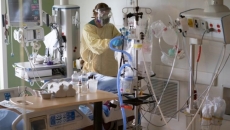
For the first time Proof included a question about pandemic-related anxiety and stress. About one in four people surveyed never experienced stress due to COVID-19 and also are the least likely to express trust in institutions like the health care system, or leaders including politicians, doctors and scientists, with only 31 per cent reporting trust in these areas.
Nearly half of those surveyed said they were and still are anxious or stressed about COVID-19, and are only slightly more likely, at 32 per cent, to trust institutions or leaders than those who were never stressed about it.
About one in three said they had been anxious or stressed about COVID-19 but no longer are, and they were noticeably more trusting of governments or other leaders like public health officials.
About two-thirds of those who aren't anxious any longer said they trusted medical officers of health to be able to manage through the Omicron variant, and the health care system in general.
Of those still stressed about the pandemic, only 50 per cent trust medical officers of health to manage Omicron successfully, and 56 per cent said they trusted the health care system.
MacLellan said while trust in politicians is plummeting, trust in doctors and scientists has stayed stable and very high. Almost four in five people surveyed said they trust doctors and three in four said they trust scientists.
"So the fatigue of the pandemic and the anxiety, stress and division of the pandemic hit hardest on faith in politicians and faith in government," said MacLellan. "So this is something that politicians should all be looking at and thinking about, the importance of how to restore trust in government."