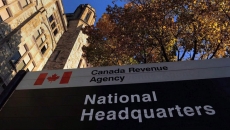
OTTAWA - The core public service, air travel and rail employees and travellers must all be fully vaccinated against COVID-19 by the end of October, according to Canada’s new mandatory vaccine policy.
The federal government announced Wednesday public servants must attest they are fully vaccinated against COVID-19 by Oct. 29, or be put on unpaid administrative leave.
Meanwhile, the government is working with employers of airport businesses, airline and rail companies to develop their own mandatory vaccine policies by the end of the month.
Anyone wishing to hop aboard a plane or train must have received a second dose of a Health Canada-approved vaccine at least 14 days before their travels.
For travellers, there will be a short transition period to allow the unvaccinated to show a negative molecular COVID-19 test instead, though the grace period will last only until Nov. 30.
Senior government officials said during a technical briefing, provided on the condition they not be named, said anyone planning a trip in the coming weeks needs to book their vaccine appointment now.
“If you’ve done the right thing and gotten vaccinated, you deserve the freedom to be safe from COVID-19, to have your kids be safe from COVID, to get back to the things you love.” Prime Minister Justin Trudeau said at a news conference Wednesday.
Approximately 82 per cent of eligible Canadians have received a double dose of Health Canada-approved vaccines, Deputy Prime Minister Chrystia Freeland said at the same briefing.
The new policy will affect more than 267,000 core public-service and RCMP workers, officials said, and will apply even to those who work from home and outside of the country.
They will have to provide an attestation of their vaccine status online. The attestations will be tracked and audited by departments, and managers can ask for proof of vaccination at any time.
Employees who provide false attestations will be punished with disciplinary action, including firings.
People who have had only one dose will be given 10 weeks to get their next one before they are put on unpaid leave.
They will not be allowed back at work until they are either vaccinated or the policy is no longer in effect.
Employees put on unpaid leave will generally not qualify for employment insurance benefits, officials said.
“This … is about the government taking action on behalf of that majority who spoke in the election, to be sure that a minority of people cannot sabotage Canada's economic recovery and cannot allow the fourth wave or other variants to cause real problems for us,” Freeland said.
There will be accommodations made for people who are unable to receive a vaccine on grounds protected under the Canadian Human Rights Act, which includes religious and health reasons for not having a full slate of vaccines.
Trudeau said exemptions will be difficult and onerous to obtain, and simply having a personal conviction that vaccines are “bad” will not be sufficient.
Stephane Aubry, vice-president of the Professional Institute of the Public Service of Canada (PIPSC), said his union is concerned about how those accommodations will play out.
While his union is not planning to challenge the new policy, they may have to file grievances on a case-by-case basis, he said.
“This is a concern for us because it's pressure on the employees, and we will defend our members as much as we can,” Aubry said in an interview Wednesday.
The Union of Canadian Correctional Officers wrote to members that it will represent them through the grievance process if they choose not to get a COVID-19 vaccine, but warned the process could take two or three years and there is no court precedent that could predict the outcome.
Other federally regulated workplaces like Crown corporations and government agencies will be asked to mirror the public service mandatory vaccine policy for their employees.
Cruise companies will also be asked to implement mandatory vaccines for employees and travellers in time for the 2022 season.