The COVID-19 pandemic is underscoring weaknesses in Canadian privacy law that place people's personal information at risk, a federal watchdog warns.
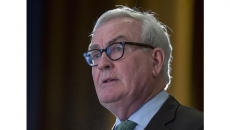
In his annual report presented Thursday, privacy commissioner Daniel Therrien said the pandemic is fuelling rapid societal and economic changes at a time when outdated laws provide inadequate protection.
The spread of the virus and the resulting need to distance oneself from others has accelerated the digital revolution, bringing both benefits and risks for privacy, Therrien said.
He cited the heated debates about contact-tracing and exposure-alert applications and their effect on privacy, and the fact many have been asked to provide details about their health at the airport, or before entering workplaces and stores.
Telemedicine creates risks to doctor-patient confidentiality when virtual platforms involve commercial enterprises, he said. In addition, e-learning platforms can capture sensitive information about students’ learning disabilities and other behavioural issues.
"It should be obvious for everyone that privacy protection is weak," Therrien told a news conference.
The commissioner's office gave the thumbs-up to the government's COVID Alert app, intended to tell people when they have come near someone who has the virus.
However, government officials declared during discussions about the digital tool that federal privacy law did not apply to the app, Therrien said.
"This assertion certainly gives one pause: An extremely privacy-sensitive initiative is defended by the government of Canada as not subject to its privacy laws.
"Privacy is considered by the government as a good practice but not a legal requirement. How long can this go on?"
Therrien has long called for modernization of Canada's privacy laws, which lag behind many around the globe.
He has pressed for new authority to issue binding orders to companies and levy fines for non-compliance with privacy law. He also wants powers to inspect the information-handling practices of organizations.
Justice Minister David Lametti's office had no immediate comment on Therrien's latest plea for reforms.
A recovery from the pandemic based on innovation will be sustainable only if rights are protected through stronger legislation, Therrien said.
"It is more than time for Canada to catch up to other countries," he said. "All Canadians deserve strong privacy protections."