OTTAWA - The new federal budget shows the government's dental-care insurance program is projected to cost more than double what the Liberals originally thought, adding another $7.3 billion over five years.
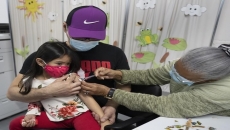
Last year, the government set up a temporary dental benefit for uninsured children under the age of 12 in families with a household income of less than $90,000.
That benefit will be scrapped by June 2024. In its place, Tuesday's budget shows the Liberals are planning a government-administered insurance program, at a cost of $13 billion over five years beginning in fiscal year 2023-24.
"By the end of 2023, we will begin rolling out a dental-care plan for what will eventually be up to nine million uninsured Canadians," Finance Minister Chrystia Freeland said in her speech to the House of Commons after tabling the budget Tuesday, according to a prepared version of her remarks.
The Liberals will open eligibility this year to people who are under the age of 18, seniors, and people with disabilities who meet the income criteria and do not have insurance. They plan to expand that eligibility to anyone who meets the household income requirements by 2025.
We’re also investing in our public health care system to reduce backlogs, improve access to family doctors, and more. And we’re introducing a new Canadian Dental Care Plan to make dental care more accessible and affordable – and to provide support to up to 9 million Canadians.
— Justin Trudeau (@JustinTrudeau) March 28, 2023
The program is the linchpin of the minority government's confidence-and-supply deal with the NDP to prevent an election before 2025 in exchange for progress on some of the opposition party's key priorities.
The phased-in approach to expanding eligibility is also outlined in the deal, along with deadlines.
Original estimates were based on preliminary information gathered just weeks after the federal government signed on to that deal, but government officials say they've revised that after learning what it will really cost to administer the program.
In the 2022 budget, the government estimated the ongoing cost of the program would be about $1.7 billion per year. Now that estimate has reached $4.4 billion.
Freeland defended the cost of the program, calling it a "necessary expansion of health care."
"It does cost a lot of money," she conceded at a press conference earlier in the day.
The Canadian Dental Association warned the government early on that the initial estimate was likely "light," given the cost of private dental insurance, said Dr. Lynn Tomkins, the group's president, in an interview Tuesday.
"We could tell that the amount that they proposed — which we were happy to see — wasn't going to be sufficient if they expected another nine million Canadians to be able to get in to see the dentist," said Tomkins.
The Parliamentary Budget Officer also warned the government last summer that its estimates would likely fall short, and suggested setting aside $9 billion over a five-year period instead of the $5.3 billion budgeted.
NDP Leader Jagmeet Singh said he believes people who qualify for coverage will save money when they go to the dentist.
"I think Canadians are going to be happy with that, and they're going to be happy knowing that they're going to be able to get their teeth fixed," he said.
Singh said the dental-care program would not have been in the budget if not for his party's efforts.
"We forced the government to do this," he said.
Conservative Leader Pierre Poilievre also gave the NDP the credit, or rather the blame, for the large cost increase.
"We have an NDP government that is running massive inflationary deficits, bankrupting households, keeping young people living in their parents' basements, forcing seniors to choose between heating and eating," Poilievre told reporters outside the House of Commons on Tuesday.
The text of the budget document did not provide details on phased-in approach, instead suggesting the government would expand eligibility to all uninsured Canadians whose household fell below the $90,000 income threshold.
Freeland later clarified the government would stick with its plan.
"We are going to be rolling it out step by step by step," Freeland said at a news conference Tuesday afternoon.
"Delivering an entirely new aspect of the Canadian health-care system is not a cakewalk. It's challenging, it's complicated, and so that's why we're taking a step-by-step approach."
More details about the kinds of services that will be covered have yet to be announced, but the budget does show the government plans to contract the claims process out to a private firm.
Families that make less than $70,000 will not have co-pays.
The government plans to require all employers to report on whether their staff have benefits as part of their T4 tax forms, to prevent anyone with existing insurance from being able to access the new federal plan.
The Liberals announced an Oral Health Access Fund in the budget, which would pay for initiatives that make it easier for vulnerable communities and people who live in rural and remote areas to care for their teeth.
The budget sets aside $250 million for the fund, starting in 2025-26 fiscal year with $50 million.
The Liberal also propose to set aside $23 million over the next two year to collect better data on oral health to inform the rollout of the dental insurance plan.