An expert on the psychological and social impacts of disasters on families is encouraging people affected by devastating floods in British Columbia to take care of their mental health while focusing on rebuilding.
Caroline McDonald-Harker, a professor in the department of sociology and anthropology at Mount Royal University in Calgary, has studied the impacts of extensive flooding in southern Alberta in 2013 and the 2016 Fort McMurray wildfire.
The research found that major disasters not only wreak havoc on infrastructure, but they also have long-term psychosocial impacts, said McDonald-Harker, who is also the director of the Centre for Community Disaster Research at the university.
"Over half of the hundreds of families that I interviewed as part of my research who experienced the 2013 flood and the 2016 wildfires here in Alberta, were still suffering with some long-term effects, even three-plus years after the disaster."
Those effects could include anxiety, depression or even post-traumatic stress disorder, McDonald-Harker said in an interview. Signs that someone may be having trouble coping could include changes in appetite or sleeping patterns, she added.
Struggling to cope is expected in the shorter term, she noted.
"It's normal to feel overwhelmed, it's normal to perhaps be more emotional, it's normal to be afraid, and to be scared," she said.
"However, it's important that people allow themselves to go through these emotions, that they don't suppress them."
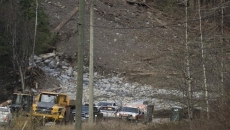
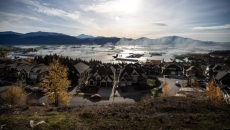
Record-setting rainfall caused widespread flooding and landslides throughout southwestern B.C. last month, forcing thousands from their homes, inundating a prime agricultural area and wiping out critical transportation infrastructure.
About 14,800 people had to leave their homes with 4,300 properties still under evacuation order on Thursday, Public Safety Minister Mike Farnworth said.
In the immediate aftermath of a disaster, McDonald-Harker said most people and governments are focused on cleaning up and rebuilding physical infrastructure.
Without also focusing on psychological recovery, it could take months or longer before people notice the toll the disaster has taken on their mental health, she said.
Going through an evacuation and returning to a damaged home where sentimental and irreplaceable items may have been lost can be "highly traumatic," said McDonald-Harker, who shared several recommendations to help people cope.
Her research in Alberta found that people who reached out for help and communicated their feelings openly and often were more resilient, she said.
"They had better conflict resolution, they had better coping skills and abilities, and therefore they were better able to cope following disaster."
McDonald-Harker also recommends connecting with neighbours and the broader community to contribute to rebuilding. The research found that helped people feel empowered and in turn, "they were better able to cope and move forward," she said.
The best approach that parents and caregivers can take with their children in the aftermath of a disaster is to be honest and get them involved in recovery efforts as well as plans and preparations for any future events, she said.
"Disasters will continue to occur, they are occurring at an increased frequency more so than we've ever seen before. I always recommend that parents be open with their children and avoid making unrealistic promises, like saying disasters won't happen again. Because this diminishes children's trust in their parents," she said.
Adults tend to underestimate children's ability to understand what has happened and they fare better when they're included in the recovery process, she added.
Her research also found that children who had opportunities to spend time with their peers fared better in the aftermath of disaster, McDonald-Harker said.
"They're able to discuss their experience with others of a similar age in an age-appropriate way, and then not only provide support to their peers, but also receive support," she said.
The flooding and last summer's destructive wildfire season can have powerful impacts on people's mental health, Farnworth told a news briefing this week.
"Please know you are not alone and we're in this together to help."
The government has a full list of virtual mental health supports available to anyone affected by the flooding, including free or low-cost counselling, he said.
On the practical side of returning home after evacuation due to flooding, the Insurance Bureau of Canada recommends that people with overland flood insurance document damage before starting to clean up their properties.
Rob de Pruis, the bureau's director of consumer and industry relations in Western Canada, said insurance companies don't expect people to have receipts for everything that may have been damaged, but pictures and videos are helpful.
It's also important to ensure that any contractors hired to help remove debris and undertake repairs have the right experience and knowledge, he said in an interview.
"Flood remediation is a bit of a specialty ... If things aren't dried out properly, you can have contaminants or mould and mildew that could be growing behind walls."
Overland flood coverage is fairly new in Canada. About half of B.C. residents have added it to their plans, said de Pruis, noting that proportion would likely be lower in areas that are at higher risk of flooding, including parts of Abbotsford and Merritt, which were both flooded.