Wednesday, December 31, 2025
ADVT 
National

Feds add $305M to Indigenous COVID-19 response

Darpan News Desk The Canadian Press, 12 Aug, 2020 07:39 PM
  • Feds add $305M to Indigenous COVID-19 response

The federal government has announced an additional $305 million to help Indigenous Peoples combat COVID-19.

Indigenous Services Minister Marc Miller says the money is meant to help Indigenous communities prepare for emergencies and prevent the spread of the new coronavirus.

He says communities can also use the money for a variety of other measures, including helping elders and vulnerable people, food insecurity, educational and other supports for children and mental health assistance.

The new money will flow through the Indigenous community support fund, bringing the total amount to $685 million this year.

Some funding will also go to First Nations living off-reserve as well as Inuit and Metis people living in urban centres, distributed based on need through an application process.

Miller says Ottawa is committed to ensuring Indigenous leaders have the tools and support they need to implement the various aspects of their pandemic plans.

"This funding will provide crucial support to key community initiatives that strive to prevent, prepare for and respond to COVID-19 in First Nations, Inuit and Metis communities," he said.

"This approach aligns with our commitment to support Indigenous leadership's approaches to community wellness while providing the flexibility to respond to emerging needs, for example in response to an outbreak of COVID-19."

To date there have been 425 confirmed cases of COVID-19 on First Nations reserves, with 34 people hospitalized. Of these, 393 have recovered from the virus. There have also been 17 cases in the Nunavik region in northern Quebec. All have recovered.

The federal government has acknowledged that COVID-19 case counts among Indigenous Peoples do not reflect the true impact on Indigenous communities and individuals, as they only capture statistics from those living on reserves or in Inuit territories. The majority of Indigenous people in Canada live off reserve.

MORE National ARTICLES

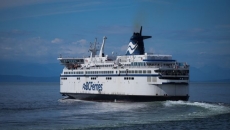
BC Ferries ship sustained some damage after hitting berth, no one injured

BC Ferries ship sustained some damage after hitting berth, no one injured
VANCOUVER - A BC Ferries ship hit the dock at Tsawwassen ferry terminal, resulting in two cancelled departures and a four-hour disembarkment delay for some passengers.

BC Ferries ship sustained some damage after hitting berth, no one injured

Sleep struggles: pandemic could impact body's fear response, cause poor sleep

Sleep struggles: pandemic could impact body's fear response, cause poor sleep
Tossing and turning in the middle of the night. Lying awake for lengthy stretches. Waking up groggy. The COVID-19 pandemic seems to be messing with a number of peoples' ability to get a good night's sleep these days. And sleep experts aren't surprised by that.    

Sleep struggles: pandemic could impact body's fear response, cause poor sleep

Here are some of the deadliest mass killings in recent Canadian history:

Here are some of the deadliest mass killings in recent Canadian history:
April 19, 2020: Seventeen people are killed after a man who at one point wore a police uniform and drove a mock-up cruiser travelled across northern Nova Scotia. An RCMP officer is among the dead. Police say the suspected shooter, 51-year-old Gabriel Wortman, was killed after being intercepted by officers in Enfield, N.S.

Here are some of the deadliest mass killings in recent Canadian history:

Those who knew Nova Scotia gunman shocked by rampage

Those who knew Nova Scotia gunman shocked by rampage
Neighbours and schoolmates of the man responsible for a killing rampage that left at least 19 people dead in northern Nova Scotia were attempting Monday to come to terms with the tragedy.  A 23 year member of the RCMP police force Const Heidi Stevenson was killed, a mother of two, and another officer is recovering from non life threating injuries. 

Those who knew Nova Scotia gunman shocked by rampage

COVID-19 prompts bus driver layoffs, service cuts for Metro Vancouver transit

COVID-19 prompts bus driver layoffs, service cuts for Metro Vancouver transit
There have been significant layoffs of bus drivers and deep service cuts on buses, SeaBus, SkyTrain and West Coast Express across Metro Vancouver. Nearly 1,500 bus drivers and other transit workers across Metro Vancouver are being laid off as TransLink faces plunging ridership during the COVID-19 pandemic.    

COVID-19 prompts bus driver layoffs, service cuts for Metro Vancouver transit

Demand will fuel B.C. real estate in 2021 after COVID recession: report

Demand will fuel B.C. real estate in 2021 after COVID recession: report
A report from the B.C. Real Estate Association says the 2020 COVID-driven recession will be deep, although it could be shorter than other Canadian economic downturns. The market intelligence report released Monday by the association says it expects home sales to sink 30 to 40 per cent for April 2020. 

Demand will fuel B.C. real estate in 2021 after COVID recession: report