People desperate to bring extended family members to Canada as the world remains locked down due to COVID-19 are being given some hope by the federal government.
Immigration Minister Marco Mendicino announced Friday that more family members of Canadian citizens and permanent residents will now be eligible to enter the country.
"The pandemic is an ongoing threat and we need to continue to be cautious and restrictive about who can enter into Canada," he said.
"We recognize, however, that these restrictions should not keep loved ones apart."
Those now eligible for entry include adult children, siblings, grandparents and those who have been in a committed relationship for at least a year, which will have to be proven by a notarized declaration.
The process of how they will be able to enter will be published online soon and those who have the needed documentation can arrive beginning Oct. 8.
While that might give hope for family reunions for Thanksgiving, Mendicino said nobody should make travel plans until they've been authorized under the new program.
The federal government is also implementing a compassionate-entry program for those who don't qualify as family but want to enter Canada for specific reasons, such as to see a dying loved one.
Those granted compassionate entry may also be exempt from the current 14-day quarantine requirement, pending discussions with local health officials.
For all other travellers, the quarantine and other screening measures remain in place, and Public Safety Minister Bill Blair said enforcement will be stepped up.
The broader border restrictions with the United States are in place through to Oct. 21, restrictions on travellers from other countries apply until Oct. 31, and Blair said the government continues to review COVID-19 conditions around the world.
"It's not a decision that we come to lightly or renew lightly," he said of keeping the border tightly controlled.
International students are also being granted more flexibility and starting Oct. 20 will be admitted if their places of learning have been identified by provincial governments as having suitable COVID-19 plans.
Canada first closed its borders to all but a short list of essential workers in the spring in a bid to slow the spread of COVID-19.
After an outcry, the government opened the gates a crack to immediate family members of citizens and permanent residents, but many other family members had been left off the list of exemptions.
Some of those barred from Canada had been putting pressure on the government in recent weeks to ease the rules, with many coming forward with heartbreaking stories of children having to say goodbye to their dying parents over video chat or siblings unable to enter the country to care for ill family members.
Conservative immigration critic Raquel Dancho said the changes are welcome, though for many come sadly too late. She said her party would be watching closely to see if the new measures are implemented effectively, and urged the government to also move ahead with other options for safe reunification.
“The Liberal government must provide rapid testing for airports and other points of entry into Canada so that Canadians can be reunited with their loved ones safely and protect the public," she said in a statement.
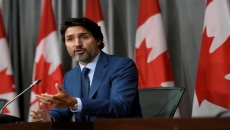
The new measures come in response to what officials have learned about how the virus is spreading in Canada, Prime Minister Justin Trudeau said earlier Friday.
Community transmission is by far the biggest challenge and cases imported from outside the country are a tiny fraction of the total, he said.
Still, the expanded measures come as COVID-19 cases in Canada are rising and in some communities, restrictions are being reinstated on businesses and social gatherings.
Health Minister Patty Hajdu said Friday the new border measures were taken in concert with local health authorities.
"This disease is not going away any time soon. Countries will be struggling for a very long time," she said.
"This government believes firmly in compassion and we know that we needed to take these steps, given that this is not a short-term problem."
The ongoing nature of the crisis means the government must also start looking at how to help other vulnerable populations, said NDP immigration critic Jenny Kwan.
"The Liberal government needs to exempt refugees from the travel restrictions so that they can get to safety," she said in a statement.
"Lives literally depend on it."