
Wednesday, July 8, 2026
ADVT 
National

Feds roll over border restrictions to July 21

Darpan News Desk The Canadian Press, 18 Jun, 2021 09:49 AM
  • Feds roll over border restrictions to July 21

Travel restrictions at the Canada-U.S. border will remain in place for at least another month, until July 21, which Prime Minister Justin Trudeau says are needed to prevent another wave of COVID-19.

The measures at the border to restriction non-essential international travel have been in place since the onset of the COVID-19 pandemic in March 2020.


Pressure to relax the restrictions has been building from businesses on both sides of the border, and increasingly from American lawmakers as vaccination rates climb in Canada.

Prime Minister Justin Trudeau said Friday that it would take 75 per cent of Canadians getting a first dose and 20 per cent receiving a second before rules can be loosened because even a fully vaccinated individual can pass COVID-19 to someone who is not vaccinated.

To those thresholds Trudeau has previously added the caveat that the outbreak needs to be at a stage where minor flare-ups can be handled without risk of spreading more broadly.

Speaking from his Ottawa residence, where he is isolating after a trip to the U.K. to meet with leaders from G7 nations, Trudeau said he spoke with premiers about the future of the border during a call with them Thursday night.

"There is a tremendous focus on making sure we're working together to do this as quickly and safely as possible because we all want to get back to normal, which means yes, moving quickly, but it also means avoiding any further massive waves," Trudeau said.

The decision garnered immediate criticism from some American lawmakers, including the two Congressmen who co-chair the Canada-U.S. Interparliamentary Group.

Western New York Democrat Brian Higgins and Michigan Republican Bill Huizenga decried the lack of transparency around the border talks as a disservice to residents on both sides of the border to see loved ones and renew business ties.

"While the arrival of vaccines in record time has been a modern marvel, the inability of the U.S. and Canadian governments to reach an agreement on alleviating border restrictions or aligning additional essential traveler classes is simply unacceptable," said the statement from duo.

Public Safety Minister Bill Blair in a tweet said the government will unveil details Monday about plans to let fully vaccinated Canadians and permanent residents enter the country.

Trudeau said Friday that the government plans in the short-term to have Canadians upload proof of vaccination to the ArriveCan app so border agents can verify they are fully vaccinated.

For the fall and beyond, Trudeau said the federal government is working with provinces on a way to automatically share vaccination status that could then be easily accepted around the world.
 

MORE National ARTICLES

B.C. woman charged after deliberately coughing on grocery clerk: RCMP Tissues and toilet paper aren't worth arrest

A woman is facing criminal charges after RCMP in British Columbia allege she coughed at a grocery clerk who would not let her buy extra tissues. Police say a store in the Vancouver suburb of Coquitlam has set a maximum amount of tissues and toilet paper each customer can buy as the COVID-19 pandemic wears on.

B.C. woman charged after deliberately coughing on grocery clerk: RCMP Tissues and toilet paper aren't worth arrest

Canadians drinking more due to stress, boredom during COVID-19

A study commissioned by the Canadian Centre on Substance Use and Addiction suggests some Canadians are drinking more alcohol due to boredom and stress during the COVID-19 pandemic. The poll, conducted by Nanos Research, found 25 per cent of Canadians aged 35 to 54 and 21 per cent of Canadians aged 18 to 34 say they have increased the amount of alcohol they drink while spending more time at home.    

Canadians drinking more due to stress, boredom during COVID-19

Ferries, orchestra retract layoffs, await subsidy

Vancouver Symphony Orchestra and BC Ferries have rescinded lay-off notices in anticipation of receiving the Canadian government's emergency wage subsidies. Both BC Ferries and the symphony had planned layoffs to take effect on the Easter weekend as the COVID-19 pandemic drains away their businesses.

Ferries, orchestra retract layoffs, await subsidy

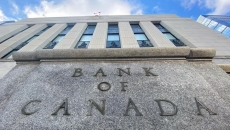
The Bank of Canada announced that it is holding its interest rate target at 0.25 per cent

The Bank of Canada announced that it is holding its interest rate target at 0.25 per cent
The Bank of Canada is warning that the downturn tied to COVID-19 will be the worst on record and that the economic recovery will depend on the effectiveness of current measures to bring the pandemic under control. The bank announced that it is keeping its key interest rate target on hold at 0.25 per cent, saying that it is effectively as low as it can go to combat the economic impacts of COVID-19.

The Bank of Canada announced that it is holding its interest rate target at 0.25 per cent

Liberals ease access to emergency COVID-19 benefit, plan to top-up wages

The federal government is making changes to its COVID-19 programs to send emergency aid to seasonal workers without jobs and those whose hours have been drastically cut but who still have some income. The changes will also allow people who are making up to $1,000 a month to qualify for the Canada Emergency Response Benefit, as well as those whose employment insurance benefits have run out since the start of the calendar year.    

Liberals ease access to emergency COVID-19 benefit, plan to top-up wages

Canada focused on fighting COVID-19 Trudeau steers clear of WHO controversy

Prime Minister Justin Trudeau refused Wednesday to join the escalating global debate about the World Health Organization's handling of the COVID-19 crisis, insisting Canada remains focused on working with experts around the world to combat the pandemic. Trudeau repeatedly batted back questions about Donald Trump's plan to halt funding to the UN agency and review what the U.S. president says was a failure to properly assess the threat posed by the novel coronavirus back in January.

Canada focused on fighting COVID-19 Trudeau steers clear of WHO controversy