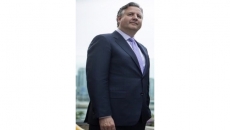
Immigration Minister Marco Mendicino insisted Friday that Ottawa is working on a plan to help dozens of Afghans who are facing Taliban arrest or worse for having worked with Canada, but he stopped short of saying when that plan will become reality.
The federal government is under mounting pressure to help dozens of former interpreters, translators and cultural advisers who aided the Canadian military and development efforts during the war in Afghanistan.
Canadian veterans in particular have been sounding the alarm with growing concern, noting the Taliban’s rapid gains over the past couple of weeks after the sudden withdrawal of most U.S. forces from the country.
Those veterans say the risk of torture or death that their former colleagues and their families are facing grows every day they remain in the country, especially in the southern province of Kandahar.
Mendicino, in response to a reporter’s question while announcing a new refugee program to help people threatened for defending human rights, acknowledged the “tremendous urgency” of the situation in Afghanistan.
“I know even in the last number of weeks that the situation has gotten worse, that lives are on the line,” he said.
“Everybody within government is doing everything in our power to try and put the final strokes to this plan so we can put into action.”
Immigration officials are currently working with the Canadian military and Global Affairs Canada to identify Afghans who provided “essential support” to Canada, he added, including translators, interpreters and people who worked at the embassy in Kabul.
Yet Mendicino did not give a timeline for when help would actually arrive.
“The most important thing I want to convey with regards to this operation is that we know that Afghans put their own lives at risk by helping the Canadian effort in the war there, and we want to do right by them,” he said. “We hope to have more to say about that in the very near future.”
News that work is underway was greeted with cautious optimism from retired lieutenant-general Guy Thibault, chair of the Conference of Defence Associations, which counts numerous retired military officers and diplomats among its membership.
While recognizing the challenge of screening and processing visas for those who helped Canada’s war effort, Thibault pointed out that the federal government was able to screen and resettle 25,000 Syrian refugees in 100 days more than five years ago.
"Our shared sacrifices must not be forgotten nor should we forget those who came to our aid during this dangerous mission,” Thibault said in a statement.
“They were friends, allies and heroes. They deserve our greatest respect for the risks they took. Sheltering them from immediate danger is the least we can do. We urge the prime minister and his government to act swiftly and decisively.”
Three retired major-generals who previously commanded Canadian forces in Afghanistan have said there are 115 people in Afghanistan who need help.
Retired corporal Tim Laidler, who served in Afghanistan in 2008 and is now executive director of the Centre for Group Counselling and Trauma at the University of British Columbia, said Ottawa should simply restart a previous program to help Afghans.
While more than 800 Afghan interpreters and their family members were resettled in Canada under that program in 2009 and 2012, Laidler says many others wanted to stay in Afghanistan to help rebuild the country.
Laidler, who ran for the Conservatives in the 2019 federal election, said he and other veterans are now in touch with many of those former Afghan colleagues who have received death threats from the Taliban, but have no way to escape.
“These interpreters are a very special, unique group within the hearts of Canadian soldiers and definitely deserve the full support of the Canadian government,” he said.
“If we ever want to go into a conflict again, this needs to happen. Or else any time Canada goes overseas ... people are going to look back at this. They're watching us right now. They're saying: ‘Canada is going to turn its back on us if we put our necks out.’”


.jpg "B.C. traffic stops not done by police impersonator")