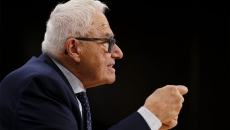
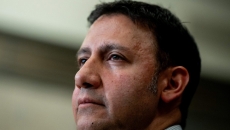
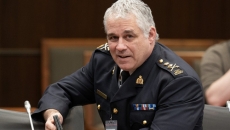
The First Nations Child and Family Caring Society is calling on the Canadian Human Rights Tribunal to force the federal government back to the negotiation table on national reforms to the child welfare system after chiefs voted down proposed changes on two occasions last year.
The national chief of the Assembly of First Nations is asking for an update from the Caring Society months after chiefs put it and a newly formed committee in charge of seeking new negotiations with Canada, and after Canada informed the assembly it was only prepared to renegotiate with First Nations in Ontario.
“The AFN remains quite concerned with recent developments, particularly if any of the financial commitments under the agreement-in-principle or the draft final agreement will continue to be secured for First Nations children and families moving forward,” National Chief Cindy Woodhouse Nepinak said in a letter to First Nations Child and Family Caring Society director Cindy Blackstock on Tuesday.
“In light of these uncertainties, compounded by the current state of government and likely election in the short-term, I would certainly appreciate any clarity you can provide in relation to efforts to end the discrimination to which our children have been subjected to for so long.”
The Caring Society filed a motion with the tribunal Tuesday calling for an order directing the federal government to negotiate child welfare reforms with both the society and the Assembly of First Nations, and ensuring the society has a seat at the table for coming consultations between the AFN and Ottawa on First Nations child welfare reform in Ontario.
Those consultations were announced on Jan. 7 — one day after the federal government told the AFN in a confidential letter it could not renegotiate a $47.8 billion child welfare reform agreement on a national level.
That $47.8 billion deal was struck between Canada, the Chiefs of Ontario, Nishnawbe Aski Nation and the Assembly of First Nations in July after a nearly two-decades-long legal fight over the federal government’s underfunding of on-reserve child welfare services.
The Canadian Human Rights Tribunal said that underfunding was discriminatory because it meant kids living on reserve were given fewer services than those living off reserve.
The tribunal told the federal government to negotiate an agreement with First Nations to reform the system, and to compensate children who were torn from their families and put in foster care.
The $47.8 billion agreement was to cover 10 years of funding to allow First Nations to take control of their child welfare services from the federal government, create a body to deal with complaints and set aside money for prevention, among other things.
Blackstock, who helped launched the initial human rights complaint, had been consulting with First Nations leaders for months before the deal was struck down. So were Woodhouse Nepinak and the Assembly of First Nations.
Blackstock argued the deal didn't go far enough in reforming child welfare systems and repeatedly said chiefs could get a better deal if they returned to negotiations. Woodhouse Nepinak called it the best offer on the table to reform a colonial system and expressed disappointment when it was struck down.
Chiefs outside of Ontario rejected the proposed deal in October, voting instead to change their legal and negotiation teams and calling for Canada to seek a new negotiation mandate.
But with Ottawa telling the Assembly of First Nations last week it's only prepared to renegotiate with First Nations in Ontario - which were largely in favour of the initial agreement - other regions are left wondering what will happen with reforms in their communities.
Blackstock said Canada's decision to negotiate solely with Ontario isn't acceptable when it has a legal responsibility to every First Nation child in the country.
"That's not good faith in negotiations," she said Wednesday.
"(Indigenous Services Minister Patty Hajdu) has an obligation to all First Nations children across this country to end the discrimination, and she has no answer for what's going to happen to the other kids. That's not good enough."
In a statement Wednesday, a spokesperson for Hajdu said the government made "every effort" to reach a fair deal and it makes sense to negotiate with Ontario and finish the work they started.
In her letter, Woodhouse Nepinak appears to be calling on Blackstock to show results.
The national chief says in the letter that Blackstock is in charge of overseeing the new child welfare negotiation team but hasn't offered any updates on efforts to negotiate with an unwilling federal government.
Woodhouse Nepinak said she wants to know how negotiators intend to secure the level of funding that was in the previous deal, include off-reserve children and the Yukon in reforms and maintain some aspects of the previous deal that were not mandated by the tribunal's orders.
Blackstock said she hasn't responded to the national chief's letter yet. She said it's the job of organizations like hers to point out the strengths and weaknesses of any approach to end discrimination, while it's up to chiefs to make their own decisions.
"We presented our point of view and the First Nations did due diligence and made the choice they made," she said.
"The way forward is getting Canada back through a tribunal order to negotiate in good faith, and to work on an evidence-based approach that has been costed out by public finance experts."