
Tuesday, March 10, 2026
ADVT 
National

How much have fossil fuel giants contributed to heat waves such as B.C.'s heat dome?

Darpan News Desk The Canadian Press, 10 Sep, 2025 10:13 AM
  • How much have fossil fuel giants contributed to heat waves such as B.C.'s heat dome?

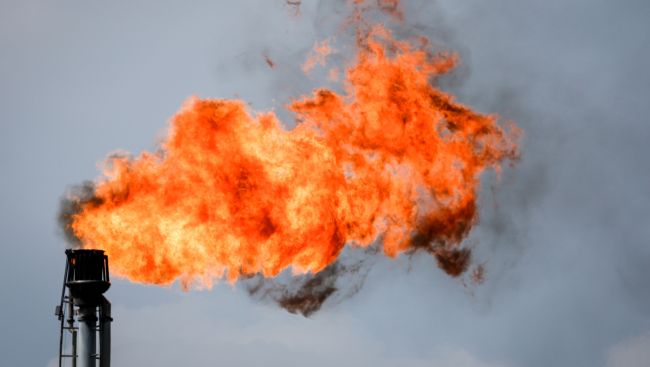
A new study suggests recent heat waves were significantly more intense because of planet-warming emissions from 180 of the world's biggest fossil fuel companies.

It's one of the first peer-reviewed papers to link dozens of climate-fuelled weather events to specific companies. 

The study led by a group of Swiss-based climate scientists says about one-quarter of the 213 recent heat waves they studied, including the 2021 B.C. heat dome, would have been virtually impossible without human-caused climate change.

It says emissions from some individual companies, including relatively smaller ones and some of Canada's oil and gas producers, would have been enough to make otherwise impossible heat waves happen.

The researchers also linked emissions from the group of cement and fossil fuel producers to about half the increase in heat wave intensity caused by human-caused climate change.

The study attributes the entire value chain of fossil fuel emissions to the producers, an approach criticized by industry groups that argue they don't bear responsibility for end-use emissions, such as car exhaust. 

Climate groups suggest that reasoning downplays how major oil companies have long known burning fossil fuels could contribute to dangerous climate change and nonetheless continued to expand production and shape demand. 

The study published in the leading science journal Nature is being welcomed by some Canadian climate advocates as a way to advance efforts to hold major oil and gas companies responsible to pay for some of the costs of climate change.  

Picture Courtesy: THE CANADIAN PRESS/Jeff McIntosh

MORE National ARTICLES

Jobs minister meets with Canada Post union reps as overtime ban persists

Jobs minister meets with Canada Post union reps as overtime ban persists
Jobs Minister Patty Hajdu is meeting with postal union officials in Ottawa today amid an overtime ban and declining mail volumes at a beleaguered Canada Post.

Jobs minister meets with Canada Post union reps as overtime ban persists

Dive-bombed or not, Vancouverites are still pro-crow, researchers say

Dive-bombed or not, Vancouverites are still pro-crow, researchers say
Along her journey towards understanding Vancouver's crows, psychology professor Suzanne MacDonald says she made a friend.

Dive-bombed or not, Vancouverites are still pro-crow, researchers say

Crown cross-examines one of five hockey players accused of sexual assault

Crown cross-examines one of five hockey players accused of sexual assault
One of five hockey players accused of sexual assault says he went to a London, Ont., hotel room hoping for and expecting a sexual encounter with an unknown woman but didn’t know anything about what the woman wanted when he got there.

Crown cross-examines one of five hockey players accused of sexual assault

Quebec tables bill to eliminate interprovincial trade barriers on sale of goods

Quebec tables bill to eliminate interprovincial trade barriers on sale of goods
Quebec is moving to lower interprovincial trade barriers, with some exceptions. 

Quebec tables bill to eliminate interprovincial trade barriers on sale of goods

Carney says he has no immediate plans to overhaul municipal funding

Carney says he has no immediate plans to overhaul municipal funding
Prime Minister Mark Carney says Ottawa probably can't undertake a thorough overhaul of how municipalities are funded in the near future, with the federal government now focused on major projects.

Carney says he has no immediate plans to overhaul municipal funding

Wildfire in Peace River, B.C., quadruples in size after evacuation order

Wildfire in Peace River, B.C., quadruples in size after evacuation order
A wildfire in British Columbia that prompted an evacuation order on Thursday has quadrupled in size, as firefighters prepare for "intensifying conditions" in the parched northeast of the province where most fire activity is concentrated.

Wildfire in Peace River, B.C., quadruples in size after evacuation order