
Monday, March 23, 2026
ADVT 
National

How much have fossil fuel giants contributed to heat waves such as B.C.'s heat dome?

Darpan News Desk The Canadian Press, 10 Sep, 2025 10:13 AM
  • How much have fossil fuel giants contributed to heat waves such as B.C.'s heat dome?

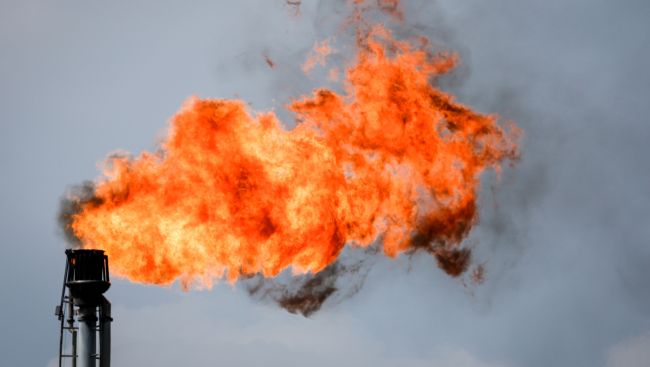
A new study suggests recent heat waves were significantly more intense because of planet-warming emissions from 180 of the world's biggest fossil fuel companies.

It's one of the first peer-reviewed papers to link dozens of climate-fuelled weather events to specific companies. 

The study led by a group of Swiss-based climate scientists says about one-quarter of the 213 recent heat waves they studied, including the 2021 B.C. heat dome, would have been virtually impossible without human-caused climate change.

It says emissions from some individual companies, including relatively smaller ones and some of Canada's oil and gas producers, would have been enough to make otherwise impossible heat waves happen.

The researchers also linked emissions from the group of cement and fossil fuel producers to about half the increase in heat wave intensity caused by human-caused climate change.

The study attributes the entire value chain of fossil fuel emissions to the producers, an approach criticized by industry groups that argue they don't bear responsibility for end-use emissions, such as car exhaust. 

Climate groups suggest that reasoning downplays how major oil companies have long known burning fossil fuels could contribute to dangerous climate change and nonetheless continued to expand production and shape demand. 

The study published in the leading science journal Nature is being welcomed by some Canadian climate advocates as a way to advance efforts to hold major oil and gas companies responsible to pay for some of the costs of climate change.  

Picture Courtesy: THE CANADIAN PRESS/Jeff McIntosh

MORE National ARTICLES

Interprovincial trade barriers: what they are, why they exist and how to cut them

Interprovincial trade barriers: what they are, why they exist and how to cut them
The Trump administration's on-again, off-again threat to impose damaging tariffs has boosted an old idea for driving economic growth in Canada: eliminating interprovincial trade barriers. Here's a look at how interprovincial trade barriers work and why years of efforts to tear them down them have largely failed.

Interprovincial trade barriers: what they are, why they exist and how to cut them

Trudeau says U.S. tariffs on Canada will be paused for 30 days

Trudeau says U.S. tariffs on Canada will be paused for 30 days
Prime Minister Justin Trudeau says "proposed tariffs" between Canada and the United States will be paused for at least 30 days while the countries work together on the border.

Trudeau says U.S. tariffs on Canada will be paused for 30 days

Canada's forestry sector faces uncertainty with 25 per cent U.S. tariffs

Canada's forestry sector faces uncertainty with 25 per cent U.S. tariffs
A wide shadow of uncertainty has been cast over Canada's forestry sector by U.S. President Donald Trump's decision to impose a 25-per-cent tariff on its lumber products. Several industry groups have released statements criticizing the tariff as unnecessary and harmful for both sides, a sentiment echoed by British Columbia Premier David Eby who vows full support for the provincial sector.

Canada's forestry sector faces uncertainty with 25 per cent U.S. tariffs

Trump mistaken, U.S. banks can and do operate in Canada says finance professor

Trump mistaken, U.S. banks can and do operate in Canada says finance professor
A finance professor at the University of Toronto says American banks do operate in Canada despite assertions by U.S. President Donald Trump that they are not allowed to do business in the country. The Office of the Superintendent of Financial Institutions lists Amex Bank of Canada, Citibank Canada and J.P. Morgan Bank Canada on Schedule II, all having U.S. parent companies. 

Trump mistaken, U.S. banks can and do operate in Canada says finance professor

B.C. critical minerals being diverted away from United States: David Eby

B.C. critical minerals being diverted away from United States: David Eby
Companies in British Columbia are in the process of redirecting critical minerals and energy products to markets outside the United States, Premier David Eby said, as the reality of U.S. President Donald Trump's tariffs sets in. Eby noted B.C. has opened new trade offices in Taiwan, Vietnam and the Philippines over the last 18 months.

B.C. critical minerals being diverted away from United States: David Eby

Winter's first widespread snowfall hits Metro Vancouver, with more on the way

Winter's first widespread snowfall hits Metro Vancouver, with more on the way
The first widespread snowfall of winter has hit Metro Vancouver, with Environment Canada warning the ongoing wintry blast could eventually bring up to 25 centimetres to start off a frigid week. The weather agency says in a snowfall warning for the region that "intense flurries" could bring heavy accumulation and cut visibility on roads.

Winter's first widespread snowfall hits Metro Vancouver, with more on the way