Saturday, March 7, 2026
ADVT 
National

How much have fossil fuel giants contributed to heat waves such as B.C.'s heat dome?

Darpan News Desk The Canadian Press, 10 Sep, 2025 10:13 AM
  • How much have fossil fuel giants contributed to heat waves such as B.C.'s heat dome?

A new study suggests recent heat waves were significantly more intense because of planet-warming emissions from 180 of the world's biggest fossil fuel companies.

It's one of the first peer-reviewed papers to link dozens of climate-fuelled weather events to specific companies. 

The study led by a group of Swiss-based climate scientists says about one-quarter of the 213 recent heat waves they studied, including the 2021 B.C. heat dome, would have been virtually impossible without human-caused climate change.

It says emissions from some individual companies, including relatively smaller ones and some of Canada's oil and gas producers, would have been enough to make otherwise impossible heat waves happen.

The researchers also linked emissions from the group of cement and fossil fuel producers to about half the increase in heat wave intensity caused by human-caused climate change.

The study attributes the entire value chain of fossil fuel emissions to the producers, an approach criticized by industry groups that argue they don't bear responsibility for end-use emissions, such as car exhaust. 

Climate groups suggest that reasoning downplays how major oil companies have long known burning fossil fuels could contribute to dangerous climate change and nonetheless continued to expand production and shape demand. 

The study published in the leading science journal Nature is being welcomed by some Canadian climate advocates as a way to advance efforts to hold major oil and gas companies responsible to pay for some of the costs of climate change.  

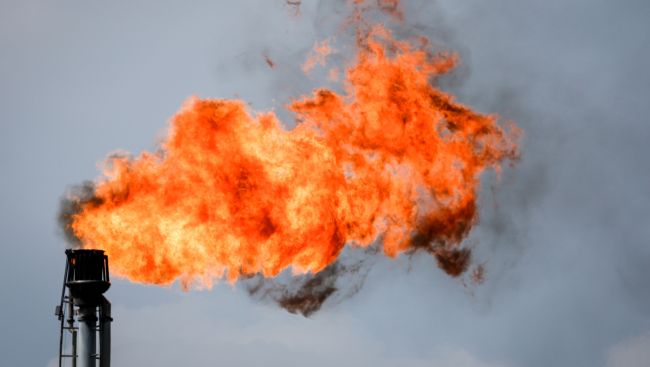
Picture Courtesy: THE CANADIAN PRESS/Jeff McIntosh

MORE National ARTICLES

Here's a list of June inflation rates for Canadian provinces

Here's a list of June inflation rates for Canadian provinces
Here's what happened in the provinces (previous month in brackets):

Here's a list of June inflation rates for Canadian provinces

Inflation rises to 1.9% in June as vehicle price hikes accelerate

Inflation rises to 1.9% in June as vehicle price hikes accelerate
The June price hike is up from 1.7 per cent in May and was largely in line with economists’ expectations.

Inflation rises to 1.9% in June as vehicle price hikes accelerate

Much of Canada smoky, other parts get heat, and some areas seeing both

Much of Canada smoky, other parts get heat, and some areas seeing both
Much of Central Canada, Manitoba and Saskatchewan were placed under special air quality statements or warnings on Monday due to smoke from wildfires on the Prairies and northern Ontario, as Environment Canada advised residents to limit time outdoors and watch for smoke exposure symptoms.

Much of Canada smoky, other parts get heat, and some areas seeing both

Carney expects U.S. trade talks to 'intensify' ahead of August deadline

Carney expects U.S. trade talks to 'intensify' ahead of August deadline
Carney told reporters he expects the trade talks with the U.S. to "intensify" ahead of the Aug. 1 deadline to secure a new agreement, but then in French he said the evidence suggests President Donald Trump will not make any tariff-free deals.

Carney expects U.S. trade talks to 'intensify' ahead of August deadline

First Nations launch legal challenge against Ontario, federal bills 5 and C-5

The Indigenous communities say in the legal challenge filed in the Ontario Superior Court of Justice that the federal law known as Bill C-5 and the Ontario law known as Bill 5 both represent a "clear and present danger" to the First Nations' self-determination rights to ways of life on their territories.

First Nations launch legal challenge against Ontario, federal bills 5 and C-5

Number of Canadians with favourable view of U.S. has fallen, poll suggests

Number of Canadians with favourable view of U.S. has fallen, poll suggests
The survey by the Pew Research Center suggests one-third of Canadians — 34 per cent — now have a favourable view of the United States. It marks a 20 percentage point decrease from last year. 

Number of Canadians with favourable view of U.S. has fallen, poll suggests