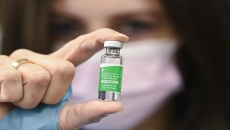
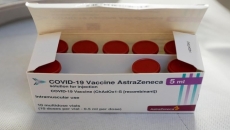
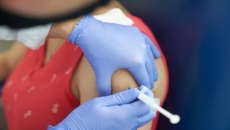
Canadian residents should be able to head to the United States for COVID-19 vaccinations and be exempt from mandatory quarantine on return if health authorities here deem the shots medically necessary, a hospital CEO said on Friday.
Although a vaccination itself does not exempt incoming travellers from quarantine rules, an exemption does exist for those heading abroad for medically essential procedures.
David Musyj, head of Windsor Regional Hospital in the border city of Windsor, Ont., said he has asked the Public Health Agency of Canada whether the government does deem the vaccines medically necessary.
"How can a COVID vaccine not be considered essential?" Musyj said in an interview Friday. "These vaccines are within reach. Any Canadian can go over there."
Windsor's mayor has discussed using city transit buses to take residents to a mass vaccine site at Detroit's Ford Field stadium and bring them back. Musyj said his hospital could help with such an effort but the quarantine requirement for people returning to Canada is an obstacle.
Musyj has now sought clarity on the medical exemption.
According to the rules, a doctor in Canada has to decide a medical service abroad is essential for a patient, and the person must provide proof they received it to avoid quarantine on return.
Musyj said he wants an advance ruling from Health Canada, adding it would be beneficial to access clinics in the U.S. and return without having to isolate.
In an initial response for comment on the hospital's request, Health Canada said only that a doctor's recommendation "falls under the practice of medicine, which is of provincial/territorial jurisdiction."
However, a spokeswoman did say the ministry was looking at allowing Canadians to pick up surplus doses in the U.S. for injection here.
"The government of Canada is currently working with provinces, territories and the United States to determine the feasibility of importing COVID-19 vaccines made available via donation," Kathleen Marriner said.
What is off the table, Marriner said, is allowing vaccine retrieval from the States under a special import program for urgently needed drugs that are not available in Canada. The program, she said, would not be "appropriate mechanism" to facilitate importation.
While supplies in Canada are ramping up, shortages remain a major obstacle to inoculating the population. The Windsor region in southwestern Ontario alone estimates it still needs about 600,000 doses to fully vaccinate its residents.
At the same time, pharmacies and other vaccination sites across the border are struggling to use their supplies due to a lack of demand. Michigan and other states have said they are willing to offer their excess supply to Canada.
The Windsor hospital had wanted permission under the federal "special access program" to be able to take the Americans up on their offer.
Despite rejecting the program application, Health Canada has asked the hospital several logistical questions, such as how the vaccines would be retrieved, transported and stored, and what security measures would be in place.
Quality, safety and traceability, along with procedures for reporting any adverse reactions, would be key to allowing the imports, Marriner said.
"Health Canada would work with the requester, in collaboration with our federal, provincial and territorial partners, to verify that strict protocols are followed," Marriner said.
Musyj said it would be simple to drive over to Detroit or other border states and have the vaccines back in Canada within hours.
"They've got vaccines to burn over there," he said. "Let's go get them."
Ohio, for example, is giving five vaccinated residents US$1 million each by way of a lottery. New York City is promising free fries, while New Jersey is offering a free beer to first-shot recipients.
"That just shows you what's happening in the United States to get people vaccinated," Musyj said.