Indians to benefit from Canada's family reunification programme
Darpan News Desk IANS, 21 Jul, 2021 04:31 PM
A record number of 40,000 immigrant families will be allowed to sponsor their parents and grandparents to bring them to Canada in 2021.
This means 30,000 additional applications will be accepted as against the annual intake of 10,000 under the Parents and Grandparents Programme (PGP), which is aimed at family reunification.
Since Indo-Canadians are one of the fastest growing communities in Canada, they will be the major beneficiaries of the programme.
Applications can be submitted online over a two-week period, starting September 20.
Using the random selection process, those whose applications are accepted would be allowed to bring their parents and grandparents to Canada.
Since the sponsors have to show a certain minimum income requirement, the Canadian government has allowed them to include state benefits received during the Covid lockdown towards their income. This will ensure that applicants are not penalised for lost income during the pandemic.
Unveiling the programme, Canadian Immigration Minister Marco E.L. Mendicino said, "The importance of family has never been clearer than during the pandemic. That is why we are delivering on our commitment to help more families reunite in Canada.
"By strengthening the Parents and Grandparents Programme, inviting a record number of sponsors to apply, and by adjusting our requirements to adapt to the current times, we are once again proving our commitment to helping Canadian families stay together, and thrive together."
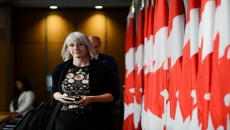
Health Minister Patty Hajdu says federal officials are working on national standards for health data collection after the COVID-19 pandemic highlighted major gaps in information.
The section of Canada's extradition law that the federal government is being urged to apply to drop the extradition case against Meng Wanzhou has rarely been used — and never for diplomatic or political reasons.
A Toronto police officer has been found guilty of assault in the beating of a young Black man more than three years ago, but his brother has been acquitted.
First Nations in British Columbia have been able to limit COVID-19 infection rates in their communities by strictly following health guidelines and using lessons learned from the historic spread of disease that decimated Indigenous populations.