Analysts are warning the conflict in the Middle East could drive up costs across Canada's supply chains and compound price pressures at the grocery store.
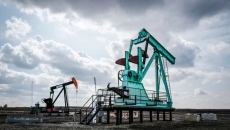
Global oil prices have risen sharply in recent days as Israeli and U.S. attacks on Iran threaten to escalate into a wider conflict and turn the Strait of Hormuz — a critical channel for global energy shipments — into a choke point.
"Because 20 per cent of the world's oil flows through the Strait of Hormuz, it's having an effect on oil prices," said Fraser Johnson, professor of operations management at Western University's Ivey Business School.
"This is an old-fashioned supply and demand issue."
While Canada doesn't get oil or natural gas from the Gulf region, commodity prices are set globally and a supply constraint on one side of the world affects prices on the other.
TD Bank economist Marc Ercolao said in a note to clients Friday that the national average price of gasoline jumped 12 cents this week — an almost 10 per cent gain — "with further moves higher likely on the way."
At National Bank, analyst Cameron Doerksen said in a research note that jet fuel prices were already on the rise before spiking this week. That could affect the summer vacation landscape in Canada, he warned.
"Fuel prices have been volatile in recent quarters, so prices could easily fall, but as it stands today fuel will be a cost headwind for airline profitability this summer," he said.
Johnson said consumers could feel the jump in global energy prices beyond the gas pumps.
Rising oil prices eventually lead to higher freight rates, and those costs ultimately are passed on to consumers, he said.
Companies will have fuel surcharge clauses built into their contracts with suppliers, Johnson noted. He added it can take weeks, sometimes months, before those costs are realized.
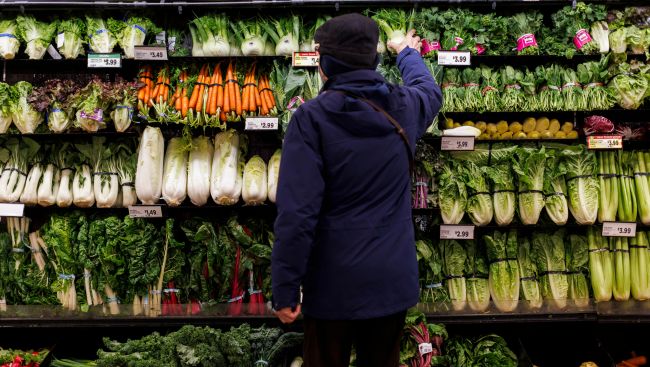
If energy costs remain high over the coming weeks, Johnson said, Canadians will feel the pinch first at the grocery store — where the shorter shelf life for fresh food means a greater vulnerability to global shipping disruptions.
"Certainly, everybody can see the increases in gasoline prices, but I think it'll ripple through the food supply chains in North America as well," he said.
Food inflation has again become a sore spot in Canada just a few years after supply chain kinks in the wake of the COVID-19 pandemic sent grocery prices surging.
Statistics Canada said food inflation increased 7.2 per cent annually in January, in part due to the absence of last year's federal "tax holiday" that waived the sales tax on dining out and some groceries.
Staples like beef and coffee are seeing double-digit price hikes, thanks to a combination of environmental disruption and higher import costs tied to the United States' trade war.
Economists at Desjardins said in a report earlier this week that energy market volatility could pull annual inflation up by one or two ticks this year, though a lift in the loonie tied to stronger oil revenues could help offset some price hikes.
The prospect of higher freight rates came up Thursday during an earnings call for children's toymaker Spin Master.
Company CFO Jonathan Roiter said there's "no material impact" on the firm's supply chain yet from the spike in oil prices.
"Of course, if this continues for an extended period of time, we will start seeing that. And there's probably a three or four month lag in terms of our freight costs," he said.
Picture Courtesy: THE CANADIAN PRESS/Cole Burston