Sunday, December 14, 2025
ADVT 
National

Ottawa caps non-sufficient funds fees at $10 starting March 2026

Darpan News Desk The Canadian Press, 19 Mar, 2025 10:11 AM
  • Ottawa caps non-sufficient funds fees at $10 starting March 2026

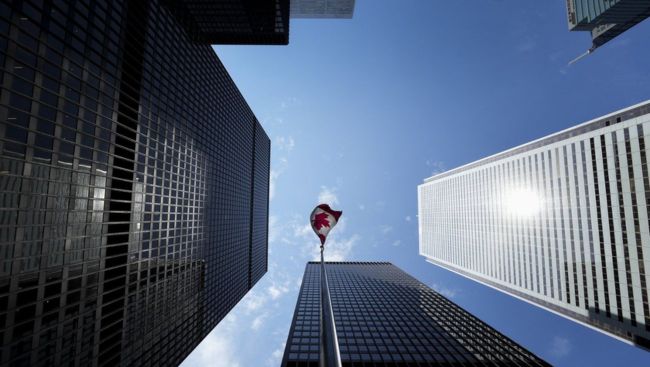
Ottawa has put in place new rules limiting the fees banks can levy on customers who don't have enough in their accounts to cover a cheque or other pre-authorized charges.

The updates, included in an order-in-council last week, cap non-sufficient funds fees at $10 for personal deposit accounts, prohibit charging more than one NSF fee in a period of two business days, and prohibit charging an NSF fee when an account shortfall is under $10.

The Finance Department said Wednesday that the changes will take effect starting March 12, 2026.

The government announced in the budget last year that it would reduce the fees, which currently run close to $50 at major banks, saying they disproportionately affect low-income Canadians and people with poor credit history.

Customers have sometimes seen high charges for being only pennies short. In a class-action lawsuit settlement against TD Bank Group last year, the lead plaintiff had been charged $96 for being 45 cents short on a PayPal bill after the merchant tried to put the purchase through twice.

While there's limited data on NSF fees, the federal government said last year that it estimates the proposed changes represent a $5.1 billion benefit to consumers over 10 years, and a $4.8 billion cost to banks, based on net present values.

It also estimated that banks charged NSF fees on a total of 15.8 million transactions in 2023, and that about a third of Canadians get hit with an NSF fee in any year.

Debit purchases aren't generally subject to the fee because such transactions are rejected if there isn't enough money in the account. 

The Canadian Bankers Association said in a statement that the fees encourage responsible banking behavior, and that to avoid the fees, customers can regularly monitor their account balances, set up balance alerts, and consider overdraft protection services.

It said that with the regulations finalized, banks will focus on making the system and process changes needed to comply by the start date. 

There were some changes to the final rules from those proposed, including shortening the period when a consumer can't be charged twice to two business days from 72 hours. 

A proposed rule to require a warning to customers about a potential charge and to give a grace period to fix the problem appears to have been dropped, as was a requirement that banks disclose statistics on the fees such as total revenue and total number of NSF fees charged.

MORE National ARTICLES

Ford says Trump dropping plan to double steel, aluminum tariffs

Ford says Trump dropping plan to double steel, aluminum tariffs
Premier Doug Ford says U.S. Commerce Secretary Howard Lutnick has committed to lowering U.S. President Donald Trump's tariff on Canadian aluminum and steel back to 25 per cent after Ontario agreed to pause a surcharge on electricity exports to the United States.

Ford says Trump dropping plan to double steel, aluminum tariffs

Slower B.C. real estate sales blamed on U.S. tariff uncertainty, association says

Slower B.C. real estate sales blamed on U.S. tariff uncertainty, association says
The British Columbia Real Estate Association says tariff uncertainty has slowed housing activity.  A board report says there were 4,947 residential sales in the province last month, down 9.7 per cent from the same time last year. 

Slower B.C. real estate sales blamed on U.S. tariff uncertainty, association says

Explainer: What's a recession and why is rising anxiety about it roiling markets?

Explainer: What's a recession and why is rising anxiety about it roiling markets?
Stock markets are plunging, consumers and businesses have started to sour on the economy, and economists are marking down their estimates for growth this year, with some even seeing rising odds of a recession. The tech-heavy Nasdaq stock index slipped into a correction last week, defined as a 10% drop from its most recent peak. The broader S&P 500 neared that level Tuesday.

Explainer: What's a recession and why is rising anxiety about it roiling markets?

Poilievre wants to impose 50 per cent metal tariffs on U.S. after latest Trump threat

Poilievre wants to impose 50 per cent metal tariffs on U.S. after latest Trump threat
Trump says he will double the steel and aluminum tariffs he promised to deploy on Canadian products tomorrow — to 50 per cent — in response to Ontario's 25 per cent surcharge on electricity exports to the U.S. Trump originally vowed to impose 25 per cent tariffs on all steel and aluminum imports.

Poilievre wants to impose 50 per cent metal tariffs on U.S. after latest Trump threat

Confused about tariff deadlines? Here's what we know right now

Confused about tariff deadlines? Here's what we know right now
The trade war between the U.S. and Canada took another turn Tuesday as U.S. President Donald Trump vowed to double the tariff on steel and aluminum imports coming from Canada in response to Ontario's surcharge on electricity exports. Trump said 50 per cent tariffs will be placed on Canadian steel and aluminum starting Wednesday, up from the 25 per cent tariffs that had been expected to apply to those materials.

Confused about tariff deadlines? Here's what we know right now

PM-designate Carney demands respect from U.S. as Trump doubles tariffs

PM-designate Carney demands respect from U.S. as Trump doubles tariffs
Prime minister-designate Mark Carney says he will keep Canadian retaliatory tariffs in place until "Americans show us respect" and commit to free trade again. Carney is reacting after U.S. President Donald Trump moved today to double incoming tariffs on Canadian steel and aluminum, which Carney calls an attack on Canadian workers and businesses.

PM-designate Carney demands respect from U.S. as Trump doubles tariffs