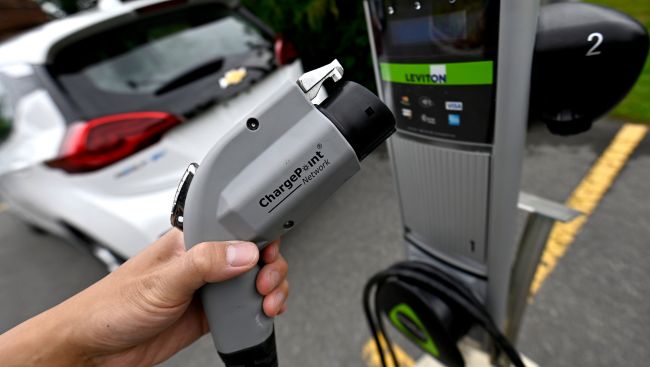
The federal government is looking to increase the number of electric vehicle chargers across the country as part of its new automotive strategy, but is still well short of the number it was advised is necessary to support the transition to battery-powered cars.
Energy Minister Tim Hodson on Tuesday said Ottawa is planning to spend more than $84 million to add 8,000 electric vehicle charging ports to Canada's existing stock of more than 30,000 chargers.
The announcement did not cite a timeline for getting the charging ports in place.
In a 2021 analysis commissioned by Natural Resources Canada, Montreal-based consultancy Dunsky Energy and Climate estimated Canada would need 52,000 chargers by the end of 2025.
Natural Resources Canada data show there are more than 38,000 public chargers now, in almost 14,500 different locations across the country.
The rollout of EV charging ports slowed last year, when only 6,170 ports were built — down from more than 7,000 in both 2024 and 2023.
Most of Canada's charging infrastructure is concentrated in Ontario and Quebec, which together account for 67 per cent of all charging ports across the country.
B.C. has another 20 per cent share, while Alberta is home to 5 per cent of all charging ports.
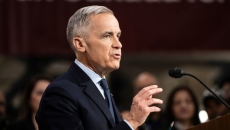
Prime Minister Mark Carney said last week Ottawa would spend $1.5 billion on EV infrastructure as part of a suite of changes to the federal auto strategy.
That announcement included the return of an EV rebate program offering Canadians up to $5,000 toward the cost of an eligible fully electric vehicle and $2,500 toward plug-in hybrids, with diminishing rebates every year until 2030.
Carney also announced the end of the EV sales mandate in favour of stricter emissions standards for the auto sector.
The federal government is committing $5.7 million to help companies transition their fleets to more fuel efficient options and $7.2 million to help educate Canadians about electric vehicles and clean fuels.
Picture Courtesy: THE CANADIAN PRESS/Justin Tang