OTTAWA - Statistics Canada's overseer of the 2021 census says there are lessons for the agency to take from the pandemic count to apply to the next census go-round.
Planning for a census starts almost before Statistics Canada releases all the data from the current counts, given the complexity and scale of the exercise the agency runs every five years.
Last year's count was run against the backdrop of the COVID-19 pandemic that made difficult many of the usual methods for collecting detailed data on the population.
Census director general Geoff Bowlby says he thinks the agency will likely keep some of the changes, including letting anyone in the country fill out questionnaires online.
Another change he cited as likely staying was hiring locals in rural and remote communities to go door-to-door rather than fly in folks from urban centres.
On the eve of the first census release from the 2021 count, Bowlby says many of the changes worked out for the agency and may also save taxpayers money on the census in coming years.
The cost to run the census can easily run over $600 million spread over seven years, which includes several years of planning before data collection, and then months of analysis after the figure pour in.
By hiring locals, for example, the agency saved money by not having to set up 25 field offices around the country. And by having online responses, fewer officials were needed to process a reduced number of written forms.
Even the analysis was largely done remotely as Statistics Canada experts relied on video conferencing among other virtual tools to review and discuss findings.
"We weren't sure how it would work. We'd never done this before, at least on this scale," Bowlby said. "This experiment turned out to be something that we will repeat, which will ultimately save the taxpayer some money."
The first census release is scheduled for Wednesday morning. It will detail how the population has grown over the last five years, where growth has been fastest, where it has declined, along with a dwelling count to see where homes have been built.
More strokes will be added over the rest of the year to the agency's paint-by-numbers exercise that provides the most detailed portrait of the country on census day.
The figures help planners and local officials decide where to build new schools and hospitals, roads and houses to keep up with expected population growth.
The population figures are also used to calculate federal transfers to provinces to pay for health care, and to cities for infrastructure needs. This year, the census data will also be used as part of a once-a-decade exercise to redraw the boundaries of federal ridings.
Bowlby also noted that data from the previous census were used in the country's pandemic response, such as the number of doses of vaccines purchased for the country.
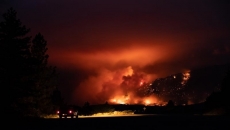
Bowlby said collecting all the data wasn't easy during a public-health crisis that was complicated further by a record fire season in British Columbia.
He said the overall response rate from the census was 98 per cent.
"Conducting the census in the middle of a pandemic, we weren't sure how … Canadians would respond, but respond they did and very well," Bowlby said.
The response rate in Indigenous communities was a little lower at about 86 per cent. Bowlby said about two-thirds of census questionnaires in Indigenous and northern areas were filled out by interviewers going door-to-door, and the remainder filed online.