
Tuesday, December 23, 2025
ADVT 
National

Plans for 'Atlantic bubble' on July 3 as cases of COVID-19 stabilize

Darpan News Desk The Canadian Press, 24 Jun, 2020 05:55 PM
  • Plans for 'Atlantic bubble' on July 3 as cases of COVID-19 stabilize

The four Atlantic provinces have announced plans to ease interprovincial travel restrictions, creating a so-called "bubble" as the region has reported relatively few new COVID-19 infections in recent weeks.

As of July 3, residents of Atlantic Canada will be allowed to travel within the region without having to self-isolate for two weeks when arriving in another province.

Visitors from provinces and territories outside the region will still be required to self-isolate for 14 days and adhere to local entry requirements. However, once the self-isolation period has passed, those visitors will also be allowed to travel within the Atlantic region.

Each of the four provinces will choose its own process for tracking and monitoring travellers.

The relaxed rules come as Nova Scotia — the most populous province in the region — announced Tuesday it had not recorded a new case of the viral infection in the past two weeks, and it had no active cases. The province had 1,061 total confirmed cases, including 63 deaths — 53 of them at a single long-term care facility in Halifax.

In Newfoundland and Labrador, where there were 261 confirmed cases and three deaths, the most recent case of COVID-19 was recorded on May 28. Like Nova Scotia, the province has no active cases.

New Brunswick reported one new case in the Moncton region on Tuesday, but that person was in self-isolation before the diagnosis and has had no close contacts. The province has 20 active cases. Of the 165 people with confirmed infections, two have died and 143 have recovered.

Prince Edward Island had just 27 cases of COVID-19 and all have recovered. The Island last reported a case on April 28.
MORE National ARTICLES

B.C. woman charged after deliberately coughing on grocery clerk: RCMP Tissues and toilet paper aren't worth arrest

A woman is facing criminal charges after RCMP in British Columbia allege she coughed at a grocery clerk who would not let her buy extra tissues. Police say a store in the Vancouver suburb of Coquitlam has set a maximum amount of tissues and toilet paper each customer can buy as the COVID-19 pandemic wears on.

B.C. woman charged after deliberately coughing on grocery clerk: RCMP Tissues and toilet paper aren't worth arrest

Canadians drinking more due to stress, boredom during COVID-19

A study commissioned by the Canadian Centre on Substance Use and Addiction suggests some Canadians are drinking more alcohol due to boredom and stress during the COVID-19 pandemic. The poll, conducted by Nanos Research, found 25 per cent of Canadians aged 35 to 54 and 21 per cent of Canadians aged 18 to 34 say they have increased the amount of alcohol they drink while spending more time at home.    

Canadians drinking more due to stress, boredom during COVID-19

Ferries, orchestra retract layoffs, await subsidy

Vancouver Symphony Orchestra and BC Ferries have rescinded lay-off notices in anticipation of receiving the Canadian government's emergency wage subsidies. Both BC Ferries and the symphony had planned layoffs to take effect on the Easter weekend as the COVID-19 pandemic drains away their businesses.

Ferries, orchestra retract layoffs, await subsidy

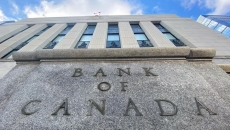
The Bank of Canada announced that it is holding its interest rate target at 0.25 per cent

The Bank of Canada announced that it is holding its interest rate target at 0.25 per cent
The Bank of Canada is warning that the downturn tied to COVID-19 will be the worst on record and that the economic recovery will depend on the effectiveness of current measures to bring the pandemic under control. The bank announced that it is keeping its key interest rate target on hold at 0.25 per cent, saying that it is effectively as low as it can go to combat the economic impacts of COVID-19.

The Bank of Canada announced that it is holding its interest rate target at 0.25 per cent

Liberals ease access to emergency COVID-19 benefit, plan to top-up wages

The federal government is making changes to its COVID-19 programs to send emergency aid to seasonal workers without jobs and those whose hours have been drastically cut but who still have some income. The changes will also allow people who are making up to $1,000 a month to qualify for the Canada Emergency Response Benefit, as well as those whose employment insurance benefits have run out since the start of the calendar year.    

Liberals ease access to emergency COVID-19 benefit, plan to top-up wages

Canada focused on fighting COVID-19 Trudeau steers clear of WHO controversy

Prime Minister Justin Trudeau refused Wednesday to join the escalating global debate about the World Health Organization's handling of the COVID-19 crisis, insisting Canada remains focused on working with experts around the world to combat the pandemic. Trudeau repeatedly batted back questions about Donald Trump's plan to halt funding to the UN agency and review what the U.S. president says was a failure to properly assess the threat posed by the novel coronavirus back in January.

Canada focused on fighting COVID-19 Trudeau steers clear of WHO controversy