Sunday, December 21, 2025
ADVT 
National

Plans for 'Atlantic bubble' on July 3 as cases of COVID-19 stabilize

Darpan News Desk The Canadian Press, 24 Jun, 2020 05:55 PM
  • Plans for 'Atlantic bubble' on July 3 as cases of COVID-19 stabilize

The four Atlantic provinces have announced plans to ease interprovincial travel restrictions, creating a so-called "bubble" as the region has reported relatively few new COVID-19 infections in recent weeks.

As of July 3, residents of Atlantic Canada will be allowed to travel within the region without having to self-isolate for two weeks when arriving in another province.

Visitors from provinces and territories outside the region will still be required to self-isolate for 14 days and adhere to local entry requirements. However, once the self-isolation period has passed, those visitors will also be allowed to travel within the Atlantic region.

Each of the four provinces will choose its own process for tracking and monitoring travellers.

The relaxed rules come as Nova Scotia — the most populous province in the region — announced Tuesday it had not recorded a new case of the viral infection in the past two weeks, and it had no active cases. The province had 1,061 total confirmed cases, including 63 deaths — 53 of them at a single long-term care facility in Halifax.

In Newfoundland and Labrador, where there were 261 confirmed cases and three deaths, the most recent case of COVID-19 was recorded on May 28. Like Nova Scotia, the province has no active cases.

New Brunswick reported one new case in the Moncton region on Tuesday, but that person was in self-isolation before the diagnosis and has had no close contacts. The province has 20 active cases. Of the 165 people with confirmed infections, two have died and 143 have recovered.

Prince Edward Island had just 27 cases of COVID-19 and all have recovered. The Island last reported a case on April 28.

MORE National ARTICLES

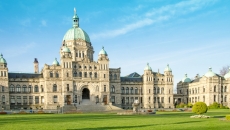
Premier says B.C. legislature could look like 'Hollywood Squares' next month

Premier says B.C. legislature could look like 'Hollywood Squares' next month
Efforts to prevent the spread of COVID-19 means the British Columbia legislature will look and operate much differently next month when politicians return for a brief sitting. Premier John Horgan says he expects the legislature will resume either June 15 or June 22 to pass the budget and several pieces of legislation.

Premier says B.C. legislature could look like 'Hollywood Squares' next month

North American and European airlines are seeing an increase in bookings

North American and European airlines are seeing an increase in bookings
Some great news for those who love to travel. Airlines are seeing an increase in bookings worldwide. Find out which airlines around the world have opened up travel even though COVID-19 continues.

North American and European airlines are seeing an increase in bookings

Nearly 600 campers moved into temporary housing amid COVID-19: B.C. government

Nearly 600 campers moved into temporary housing amid COVID-19: B.C. government
The B.C. government says plans to move people camped at several parks in Vancouver and Victoria into temporary housing amid the COVID-19 pandemic have been successful.

Nearly 600 campers moved into temporary housing amid COVID-19: B.C. government

Four suspects in custody following Bridgeview shooting

Four suspects in custody following Bridgeview shooting
Four suspects have been taken into custody by Surrey RCMP following a confirmed shooting in the Bridgeview area. On May 18, 2020 at approximately 3:30 pm, Surrey RCMP responded to reports of the sound of a gun shot coming from a residence in the 12900-block 111 Avenue.

Four suspects in custody following Bridgeview shooting

Canadian snowpack gets thinner every decade: Environment Canada study

Canadian snowpack gets thinner every decade: Environment Canada study
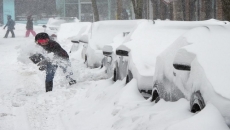
It may not feel like it the morning after a blizzard, but Canada gets less snow than it used to. That's the conclusion of a 15-year study from scientists at Environment Canada, who have just published the most precise estimate yet of snowfall around the world.

Canadian snowpack gets thinner every decade: Environment Canada study

Canadians should wear masks to protect others when in public: Tam

Canadians should wear masks to protect others when in public: Tam
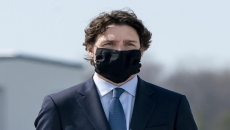
Canada's public health experts are now fully recommending Canadians wear non-medical face masks in public when they aren't sure they will be able to keep their distance from others.

Canadians should wear masks to protect others when in public: Tam