Provincial health officials says uncertainty about new variants BA.2
Darpan News Desk The Canadian Press, 02 Mar, 2022 11:05 AM
British Columbia's provincial health officer says there are still some uncertainties about new variants, including B-A-point-2, with some cases present in B-C.
Doctor Bonnie Henry says the province is prepared for a potential uptick in COVID-19 cases during the next respiratory season.
She says the province will integrate wastewater surveillance testing into its regular surveillance of respiratory illness including influenza, and also include other pathogens to get a periodic snapshot of what else may be circulating in communities.
Henry says a decline in hospitalizations, immunity from vaccination and the availability of at-home rapid tests point the way forward to normal activities like high school graduations, which young people need to feel connected to others.
Pronounced PAX-luh-vid, it is an oral antiviral treatment for COVID-19, consisting of a combination of two medications that must be taken together. The first drug, nirmatrelvir, blocks an enzyme that the SARS-CoV-2 virus needs to reproduce.
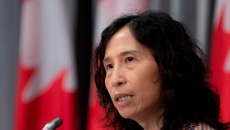
Chief public health officer Dr. Theresa Tam says the latest evidence does not support the hope the Omicron variant is contagious for less time than previous versions of the virus that causes COVID-19.
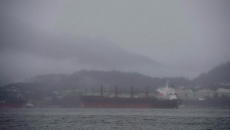
The Prince Rupert Port Authority released its annual cargo volumes report Tuesday showing 25 million tonnes moved through the facility last year, a 23 per cent decrease in year-over-year total volume.
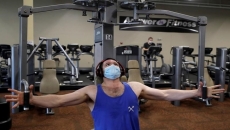
Gyms and other exercise facilities are being allowed to reopen in British Columbia, a move the province's top doctor describes as a "cautious step" in lifting COVID-19 restrictions. Dr. Bonnie Henry says proof of vaccination will be required to use gyms, which will operate under capacity limits.
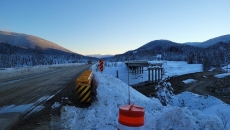
Temporary repairs to the Coquihalla are in place while the ministry plans permanent repairs to the damaged sections. This means travel-pattern changes and reduced speed limits, with the trip between Hope and Merritt taking about 45 minutes longer than normal.
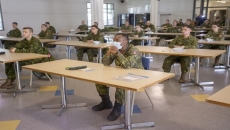
While the military is supposed to have just over 100,000 troops at full strength, new Defence Department figures show it was short about 12,000 regular force troops and reservists at the end of November.