Quebec's contentious secularism bill banning religious symbols for teachers, police officers and other public servants in positions of authority was voted into law late Sunday.
Premier Francois Legault's government used its majority to push through Bill 21 by a vote of 73 to 35 after applying the mechanism of closure to end debate on the bill prematurely. The Parti Quebecois also voted in favour, while the Liberals and Quebec solidaire were opposed.
The bill prohibits public servants in positions of authority from wearing religious symbols on the job. Its opponents say the law targets religious minorities while the government argues it affirms the Quebecois people's secular identity.
The Coalition Avenir Quebec government introduced last-minute amendments toughening the law, making provisions for a minister to verify that it is being obeyed and to demand corrective measures if necessary.
Liberal member Marc Tanguay said the changes would result in a "secularism police."

Just before the final vote, the bill's sponsor, Simon Jolin-Barrette, minister of immigration, diversity and inclusiveness, asked all legislators to "convey the principles of state secularism with calm and respect."
The legislation includes wording that preemptively invokes Section 33 of the Canadian Constitution. As a consequence, no citizen will be able to challenge the bill on grounds it violates fundamental freedoms granted by law.
A Section 33 declaration, however, needs to be renewed every five years. Legault told reporters earlier in the day his government was closing a door that no one would choose to reopen.
"My prediction," he said, "is that neither the Liberals, nor the Parti Quebecois — I don't think they'll be in power in five years — would want to change this law."
Liberal Helene David quickly contradicted him. The Opposition critic for secularism told reporters a Liberal government would not renew Section 33. "We will see in five years what we will do," she said. "There are strong chances we will want to repeal (the law)."

Bill 21 fulfills a major campaign promise by Legault's party. The premier has often said the legislation is a "compromise" because his party decided against including daycare workers or private school teachers in the bill. The legislation also grants certain public sector workers such as teachers an acquired right to continue wearing religious symbols if they were hired before the law took effect.
Bill 21 also forbids anyone giving or receiving a state service with their face covered — largely seen as a measure targeting full-face Islamic veils.
The Liberals offered an amendment that would have let university students studying to become state employees affected by the law, such as teachers or lawyers, to have an acquired right to continue wearing religious symbols.
Jolin-Barette, said no. The so-called grandfather clause "would only to apply to those already working."
Despite criticism from across the country by federal and provincial politicians, human rights advocates and many other groups, Legault's government has stayed united in its drive to adopt the legislation.
Legault and his ministers have proclaimed that the bill will go down in history alongside other major pieces of legislation affirming the Quebecois nation's values and way of life, such as the 1977 Charter of the French Language, known as Bill 101.
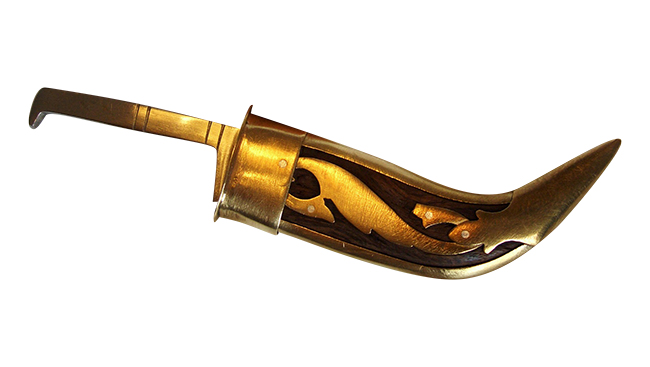
The premier said Friday the bill has allowed many Quebecers to regain a sense of pride. But Pierre Arcand, interim Liberal leader, said Sunday Legault's legacy will be "this botched bill, that can't be applied, that violates the rights of minorities. Mr. Premier, we will remember you for this."
Bill 21 was the second law debated and passed over the weekend. In a 62 to 42 vote, the government used its majority around 4 a.m. Sunday to push through Bill 9, which reforms the province's immigration system.
Jolin-Barrette's bill gives the province more authority over who receives permanent residency in the province. The government says the new selection criteria will permit it to fast-track newcomers who better meet the needs of employers. Applicants in the old system were selected on a first-come, first-served basis.
The bill is controversial because it creates a legal framework that allows the government to force newly arrived immigrants to pass a French-language and so-called values test before becoming eligible for permanent residency.
While specific wording on the two proposed tests isn't included in the bill, the legislation permits the province to institute the tests by way of regulation.
Also contentious is the provision in Bill 9 permitting the government to cancel roughly 18,000 immigration applications — some from people who have waited in limbo for years as their files languished under the old system. Those applicants will have to start the process over again.

Including the applicants' families, the fates of some 50,000 people wishing to immigrate to Quebec were at stake.
Opponents to the bill, including the provincial Liberals, said the Coalition Avenir Quebec government has provided "no credible explanation" to eliminate the applications.
The federation of Quebec's chambers of commerce saluted the bill's passing early Sunday.
"The concerted efforts of the government will lead to a better link between the skills of immigrants and those required for positions to fill in Quebec companies," the federation's president, Stephane Forget, said in a statement.
"These changes will have a very important impact to facilitate the recruitment of future employees ... and therefore, better integration of immigrants."