Tuesday, May 26, 2026
ADVT 
National

Quebec coroner faults slow ambulance response

Darpan News Desk The Canadian Press, 30 Jul, 2020 09:41 PM
  • Quebec coroner faults slow ambulance response

A Quebec coroner says the death of a young man who waited 21 minutes for an ambulance could have possibly been avoided had help arrived sooner.

Hugo St-Onge, a 24-year-old paramedic, died in December 2017 after developing convulsions at his girlfriend's house in Levis, just south of Quebec City.

His girlfriend called 911, but St-Onge had to wait 17 minutes for fire trucks to arrive and 21 minutes for an ambulance, even though the call was classified a top priority.

In her report published today, Coroner Julie Langlois said although the death was natural and due to a heart problem, it could have possibly been avoided.

She notes all three of Levis' ambulances were occupied when the 911 call was made, forcing paramedics to be summoned from another territory.

She recommends regional and provincial health authorities work together to review their emergency response resources to help avoid the problem in the future.

In her report, she says it was possible the lack of ambulance service played "an important role in the fate of Mr. St-Onge."

"For each minute of delay in starting resuscitation manoeuvres, survival is reduced by 7-to-10 per cent," she wrote.

North American standards recommend a delay of no more than eight-to-10 minutes in cases of cardiorespiratory arrest, the corner notes, adding chances of survival are slim after 15 minutes.

She says St-Onge had signed a letter criticizing the lack of ambulance resources one month before his death.

Langlois also recommends the 911 call centre be better integrated with ambulance dispatch. In the meantime, she says, emergency vehicle drivers should be equipped with GPS-enabled cellphones so they can be tracked more quickly.

St-Onge's doctors should also review their actions to ensure they provided him with adequate tests and treatment for his heart problem, she says.


MORE National ARTICLES

COVID-19 not changing Canada Day: poll

COVID-19 not changing Canada Day: poll
COVID-19 means the true north is not entirely free this Canada Day, but a new survey suggests that's not going to change how many people mark the holiday.

COVID-19 not changing Canada Day: poll

Economy posts record plunge in April

Economy posts record plunge in April
The full impact of sweeping economic lockdowns meant to slow the spread of COVID-19 came into sharper view, with new figures showing Canada saw the largest monthly drop on record in April as the country came to a near standstill.

Economy posts record plunge in April

Indigenous groups share Canada Day frustrations

Indigenous groups share Canada Day frustrations
Canada Day comes this year as Indigenous Peoples absorb reports of confrontations between the police and Aboriginal people, as well as accusations of systemic racism in British Columbia's health-care system.

Indigenous groups share Canada Day frustrations

Conditions dire for B.C. orchardists: association

Conditions dire for B.C. orchardists: association
The association says a survey of its members shows more than 67 per cent of farmers have reduced fruit production because of uncertainties linked to the pandemic.

Conditions dire for B.C. orchardists: association

Probe raises issues after fatal Tofino plane crash

Probe raises issues after fatal Tofino plane crash
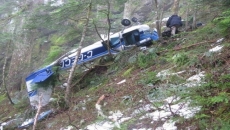
An investigation into a fatal plane crash north of Tofino, B.C., last December has raised potential safety issues for other pilots.

Probe raises issues after fatal Tofino plane crash

Researchers in China say they have found flu virus with pandemic potential

Researchers in China say they have found flu virus with pandemic potential
Scientists in China have identified a  new strain of flu that has the potential to become a pandemic. The sceintists say it has come to light recently and is carried by pigs, but can infect humans.

Researchers in China say they have found flu virus with pandemic potential