When Renee Didier disappeared from Dawson Creek in northern British Columbia nearly six months ago, it was sudden and unexpected, her uncle said.
Nine months before Didier disappeared, her cousin, Darylyn Supernant, had vanished from the community too.
Now, with the discovery of Didier's body, her family is full of questions about what happened to the 40-year-old mother of two, said the two women's uncle, Walter Mineault.
"It's pretty tough when you're still hurting," Mineault said. "The pain is still there and you got all that love and memories of your child and to find out they're gone just puts more of the reality onto the situation."
Police announced Monday that the BC Coroners Service had identified remains discovered along the Kiskatinaw River on May 18 as belonging to Didier. They say she is one of four people who have vanished from the area since March 2023, when Supernant went missing.
The Mounties said their North District Major Crime Unit is now investigating Didier's death along with another case of unidentified remains discovered in April along a rural road outside the city of about 12,000 residents.
Mineault said in an interview Tuesday that the discovery of his niece's remains provide no closure since her death remains a mystery.
He said he remembers Didier as a loving mother who was very close with her family, including her cousin Supernant.
Mineault, a vice-president with the Métis Nation of B.C., said missing and murdered Indigenous women in Canada don't get the attention they deserve from law enforcement and policymakers.
"There hasn't been enough emphasis on trying to find out why this is happening," he said.
Friends and family reported Didier missing a few days after the Mounties say she was last seen on video captured at a gas station in the early morning on Dec. 3.
"She was very vibrant. She was a very strong-minded young lady. She had lots of friends. She was very family orientated. Her friends and her family were very important to her. You know, she enjoyed life," Mineault said.
Mineault said he urges anyone with information about his niece's death to come forward to police.
"You can't have closure unless you know the whole story," he said. "Our families are hurting. Our families have been destroyed over these issues and it's just too much to deal with at times. So until we can find out who is doing these crimes and stop them from committing these crimes further, it's just going to continue."
A police statement appealing for information about Supernant said she was 24 at the time she was last seen on March 15, 2023.
In addition to Didier and Supernant, RCMP say that a 24-year-old man, Dave Daniel Domingo, disappeared last August, and Cole Hosack was last seen on New Year's Eve.
Late last August, RCMP issued a statement saying Domingo was missing after a "possible shooting" in the Rolla area, just outside Dawson Creek.
And in January, they issued an appeal for the public's help in finding Hosack, who was last seen leaving the Lonestar Nightlife bar in Dawson Creek on Dec. 31.
The statement said 24-year-old Hosack is not from Dawson Creek and he was set to leave for Medicine Hat, Alta., for a new job on Jan. 5.
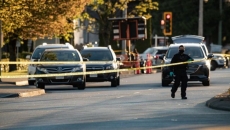
Dawson Creek RCMP issued a statement last month saying officers had responded to a report of human remains found along 219 Road near Saskatoon Creek.
The BC Coroners Service and major crime investigators were looking into the death, they said. Authorities have not yet publicly identified who those remains belong to.
Dawson Creek is located about 400 kilometres northeast of Prince George.
Mineault said Dawson Creek and other communities in the region have seen a troubling rise of violence and crime tied to the drug trade, causing unease and fear.
"We have to lock everything now. We have to lock our doors. We have to lock our houses. Years ago we never had to. We never ever locked our door. Our door was always open and now we can't do that because of fear for our lives," he said. "That shouldn't be a way of life. That should not be a way we should have to live."