Fully vaccinated Canadian citizens and permanent residents who test negative for COVID-19 will likely soon be exempt from two weeks quarantine on return to Canada, the government announced Wednesday, as millions of doses of the Moderna vaccine were expected to arrive.
Starting early next month, the travellers who have received federally approved shots at least 14 days before entering the country will be able to skip staying in a government-approved quarantine hotel. They would still have to isolate until the test they take on arrival comes back negative but then can resume activities outside of isolation guided by local public health restrictions.
Currently, incoming air travellers must spend three days at a quarantine hotel at their expense, then complete their two weeks of self-isolation at their destination. They have to take a second test on Day 8 after arrival, which will no longer be required of fully vaccinated people.
"We'll be watching carefully here in Canada and around the world as cases change and as vaccination rates rise," Health Minister Patty Hajdu said. "These metrics are very important factors."
Several Conservative MPs said the Liberal government had failed to end its "unscientific and unsafe" quarantine hotel program, which still remains in effect for many travellers.
"What the Trudeau Liberals announced today does not give Canadians clarity on a path forward," they said.
Business groups welcomed the proposed change but said it didn't go far enough. Major airlines and airports said Canada still needed a "clear restart plan" for international travel, while the Canadian Chamber of Commerce urged quick action on digital vaccine certification.
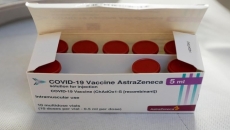
The government also said seven million doses of Moderna were slated to arrive this month, with shipments starting next week.
Procurement Minister Anita Anand said it will be the first time deliveries include doses from the company's American supply chain. Details of specific shipment dates and quantities will come next week, she said.
Overall, Anand said Canada should have enough vaccine delivered for 80 per cent of eligible Canadians to be fully vaccinated by the end of July.
"Based on confirmed deliveries alone, Canada is set to receive at least 55 million doses by the end of July," Anand said. "That is the minimum."
Moderna has confirmed the delivery of an additional 7M doses to arrive by the end of June.
— Anita Anand (@AnitaOakville) June 9, 2021
That means⬇️
➡️Based on confirmed deliveries alone, 🇨🇦 is set to receive at a minimum of over 55M doses by the end of July.
➡️Millions of doses continue to arrive in 🇨🇦 every week! pic.twitter.com/uupqYBQ9jT
Currently, 72 per cent of people aged 12 and older in Canada — and 63 per cent overall — have received a first vaccine dose, helping drive case counts lower.
Dr. Theresa Tam, chief public health officer, said the seven-day average for new cases had fallen below 1,800 for the first time since the fall. Similarly, daily hospitalizations have fallen by about half, and deaths have declined around 40 per cent.
However, Tam warned those who have received only one dose of COVID-19 vaccine to remain wary, especially with circulation of the Delta variant: "One dose of protection is not enough," Tam said.
Tam also said she was looking at ensuring Canada gets close to 75 per cent of eligible people fully vaccinated before she would consider advising looser border restrictions for tourists and business travellers who aren't Canadians or permanent residents.
To boost vaccine uptake, Manitoba is joining American jurisdictions in offering incentives to get a jab. The province said it would offer $100,000 cash prizes and $25,000 scholarships.
Anyone who has had, or will receive, a shot would be automatically entered into two lottery draws this summer, with each having seven cash winners. Ten scholarships will go to people aged 12 to 17.
Several U.S. jurisdictions have also offered incentives. Washington state recently said it would give out free marijuana joints to those getting a shot.
While overall new cases of COVID-19 continue to fall, death counts and those needing life-saving medical help remain stubbornly high in some areas.
Ontario, for example, reported 411 new cases Wednesday, one of its lowest levels this year. However, 33 more people were reported to have died of coronavirus disease, although the Ministry of Health said 11 of the deaths occurred in April and May.
Quebec reported a modest 178 new cases and eight more deaths. It was the fourth straight day the province had reported under 200 new confirmed cases. Sixty patients remained in intensive care.
In New Brunswick, lawyers for a doctor inundated with hate and racism amid erroneous accusations he violated anti-pandemic restrictions and sparked a deadly COVID-19 outbreak urged Premier Blaine Higgs to apologize.
Dr. Jean-Robert Ngola has threatened to sue if Higgs did not publicly apologize by the end of the week for statements made in May 2020. At the time, Higgs referred to a health-care worker under RCMP investigation for failing to self-isolate after returning to the province.
Prosecutors dropped charges against Ngola last week.
Nova Scotia Health said it was easing visitor restrictions at hospitals to allow more support for patients. As of Wednesday, two support people were allowed for patients in intensive care, critically ill patients, and for labour and birth.
Starting June 16, one support person will be allowed for all in-patients and patients in the emergency department, and three for palliative patients and those nearing the end of life.
On Saturday, Manitoba is lifting a ban in place since May 22 on almost all social gatherings to allow people to gather outdoors in groups of up to five people.