
Friday, May 22, 2026
ADVT 
National

Timeline of B.C.'s three-year drug decriminalization pilot project

Darpan News Desk The Canadian Press, 15 Jan, 2026 09:49 AM
  • Timeline of B.C.'s three-year drug decriminalization pilot project

British Columbia's three-year pilot project that decriminalized the possession of small amounts of illicit drugs for personal use is set to end on Jan. 31. 

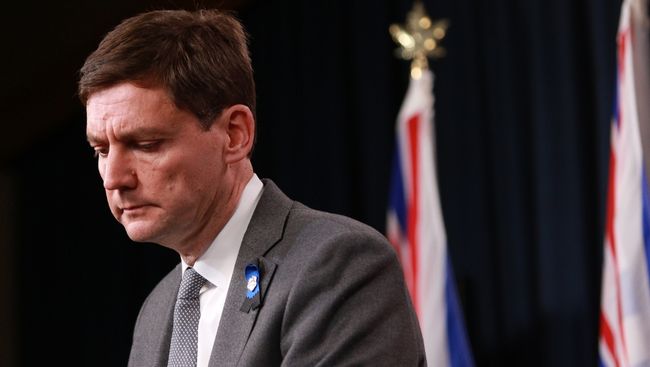
Health Minister Josie Osbourne has announced B.C. will not be extending the program. Here are some of the key moments in its history.

May 31, 2022

Health Canada grants the B.C. government's request for an exemption from s. 56 of the federal Controlled Drugs and Substances Act.

Jan. 31, 2023

The three-year exemption is implemented in B.C. The change decriminalizes the personal possession of up to 2.5 grams cumulatively of opioids, crack and powdered cocaine, methamphetamine and MDMA for adults. Possession continues to be prohibited around schools, childcare facilities, airports and during the operation of motor vehicles.

Nov. 8, 2023

The Restricting Public Consumption of Illegal Substances Act receives Royal Assent in the B.C. legislature. The bill prohibits consumption of illegal substances in public spaces and authorizes police to seize them and/or direct people to stop. Three days later, the Harm Reduction Nurses Association asks B.C. Supreme Court to declare Bill 34 unconstitutional. The court later grants a temporary injunction, preventing the bill from going into effect.

Jan. 31, 2024

Mental Health and Addictions Minister Jennifer Whiteside releases a statement marking the one-year anniversary of decriminalization, saying ending the project won't save "a single life."

May 7, 2024

Health Canada grants an amendment that curtails B.C.'s exemption. Decriminalization is restricted to possession in private homes and places where homeless people are legally sheltering, as well as overdose prevention, drug checking and supervised consumption sites and health-care clinics providing outpatient addiction services.

Jan. 6, 2026

When asked about extending B.C.'s exemption that allows for decriminalization, Premier David Eby says the province is "not going back to the old policy of decriminalized public drug use in British Columbia." He says "it didn't work and we ended that."

Jan. 14, 2026

Health Minister Josie Osborne announces the province will not seek an extension of its exemption agreement with Health Canada. Osborne says the goal of the pilot project was to make it easier for people to come forward and seek help, but it "hasn't delivered the results" officials hoped for.

Picture Courtesy: THE CANADIAN PRESS/Chad Hipolito


MORE National ARTICLES

Groundhog Day 2025: Willie, Fred and Sam at odds over spring’s arrival

Groundhog Day 2025: Willie, Fred and Sam at odds over spring’s arrival
Canada’s famous prognosticating rodents were split over spring’s arrival on Groundhog Day. Ontario’s Wiarton Willie reportedly did not see his shadow on Sunday morning, which is good news for people tired of wintry weather. But Nova Scotia's Shubenacadie Sam and Quebec’s Fred la Marmotte saw their shadows, predicting a long winter ahead.

Groundhog Day 2025: Willie, Fred and Sam at odds over spring’s arrival

As birth tourism rises again, will Trump's citizenship moves send more Canada's way?

As birth tourism rises again, will Trump's citizenship moves send more Canada's way?
Vancouver-based birth tourism operator Liga Lin says her phone has been buzzing with inquiries from expectant mothers since U.S. President Donald Trump moved to end American birthright citizenship. Lin's business, New Joy Postpartum Care, arranges accommodation and services for non-resident women — mostly from mainland China, Taiwan and Hong Kong — who want to give birth in Canada, granting their children automatic citizenship rights.

As birth tourism rises again, will Trump's citizenship moves send more Canada's way?

A short list of some of the U.S. goods to be hit with Canadian tariffs on Tuesday

A short list of some of the U.S. goods to be hit with Canadian tariffs on Tuesday
Effective Tuesday, Canada is imposing 25 per cent tariffs on $30 billion in goods originating in the United States — part of Canada's response to sweeping tariffs on Canadian goods ordered by U.S. President Donald Trump. Here are some of the major categories of imported items being hit with Canadian tariffs, along with their approximate annual dollar values:

A short list of some of the U.S. goods to be hit with Canadian tariffs on Tuesday

Ontario, Quebec and B.C. among provinces pulling U.S. booze from provincial retailers

Ontario, Quebec and B.C. among provinces pulling U.S. booze from provincial retailers
Canadian alcohol producers are cheering decisions from several provinces to yank U.S. booze from provincial liquor stores. They say the move will deliver a boost to homegrown business while adding ammunition to a federal plan aimed at getting the U.S. to back down from tariffs.

Ontario, Quebec and B.C. among provinces pulling U.S. booze from provincial retailers

Canada slaps retaliatory tariffs on hundreds of U.S. goods, outlines response plan

Canada slaps retaliatory tariffs on hundreds of U.S. goods, outlines response plan
Ottawa is imposing 25 per cent tariffs on hundreds of goods originating in the United States — from meat and milk to carpets and curtains — in response to steep new American levies against Canada. A federal official also signalled that Canada will pursue available legal remedies in response to the U.S. breaching its international trade commitments.

Canada slaps retaliatory tariffs on hundreds of U.S. goods, outlines response plan

Employment Outlook 2025: Opportunities and Challenges in BC and Canada

Employment Outlook 2025: Opportunities and Challenges in BC and Canada
The employment landscape in British Columbia (BC) and Canada is undergoing dynamic transformations shaped by economic shifts, evolving labor market demands, and demographic changes. As we move into 2025, a comprehensive outlook reveals both opportunities and challenges for job seekers, particularly for immigrants, underrepresented groups, and youth entering the workforce.  

Employment Outlook 2025: Opportunities and Challenges in BC and Canada