VICTORIA - Illicit drug overdose deaths in British Columbia are second only to cancers in shortening the lives of residents to an average age of 44, prompting a call from the chief coroner to let go of old prevention measures that have been "an abject and very costly failure."
Premier John Horgan addressed concern and sadness over the number of lives being lost.
An important way to keep people alive in this crisis is to ensure a safer supply to replace toxic drugs. Expansion of this life-saving program is underway.
— John Horgan (@jjhorgan) February 9, 2022
We won’t stop working until we have built the comprehensive system of mental health & addictions care people in BC deserve.
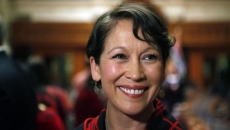
Lisa Lapointe said 2,224 suspected overdose deaths were recorded in the province in 2021, a 26 per cent rise over the previous year. There were 215 deaths in December, five more than in November.
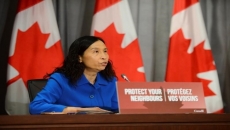
"It is with tremendous sadness, that I report that our province is in a worse place than it has ever been in this drug toxicity crisis," Lapointe told a news conference Wednesday.
B.C. declared a public health emergency in 2016 when the powerful opioid fentanyl began showing up in deaths. Since then more than 8,800 residents have died from illicit drug overdoses.
While fentanyl was present in 83 per cent of toxicology results from 2021, Lapointe said a "significant concern" is the rise in benzodiazepines. Post-mortem toxicology findings from July 2020, showed the sedative benzodiazepines in 15 per cent of samples, which increased to 50 per cent in December, she said.
"This is a particular concern, as benzodiazepines significantly impair the lifesaving effects of naloxone used to treat opioid poisoning."
She said people administer the opioid-reversing drug as much as five times and it still isn't effective.
Lapointe said more people are also dying after smoking drugs. Safe consumption sites for inhalation are "very few and far between," she added.
"We believe that they think that it may be safer," she said. "But it is not. Smoking is just as dangerous."
The average number of deaths per day in 2021 was 6.1, but Lapointe said the number climbed to about seven each day in the last two months of the year.
The majority of those who died were male between the ages of 30 and 59, and youth under 19 represent about one per cent of the deaths, she said. The average age of death due to drug toxicity was 44, she added.
"Toxic drugs in B.C. cause far more deaths than all other unnatural deaths combined."
The status quo has cost the province millions in policing, emergency response, short and long-term health care and incarceration while creating social mayhem in communities, making enormous profits for the drug trade and devastating lives, she said.
"It's hard to see why anybody thinks that that's an effective system," Lapointe said.
"If the criminalization of drugs and drug users was supposed to reduce harm and prevent death, it is clearly an abject and very costly failure. It has resulted in shame, fear and punishment for people of all ages and for all walks of life."
Leslie McBain, co-founder of the group Moms Stop the Harm, said there has been little tangible action to stop overdoses since the public health emergency was declared.
"This isn’t about more treatment beds, more ads on bus shelters; it’s about a full health-care sector response led by the government to develop a continuum of care to support people who use drugs in our province," McBain said in a news release.
Lapointe noted that the coroners service found that prescribed safe supplies of drugs did not appear to contribute to the death toll.
Along with more access to safe supplies, she said there is a need for evidence-based treatment and recovery programs.
"In the face of the prospect of hundreds more lives lost many more of these programs are needed on an urgent basis," Lapointe said.
"People are dying on waiting lists. There are barriers everywhere."