Thursday, March 26, 2026
ADVT 
National

TransLink tests technology to sanitize air on buses

Darpan News Desk Translink, 06 Mar, 2021 12:23 AM
  • TransLink tests technology to sanitize air on buses

TransLink is testing a technology called photocatalytic oxidation (PCO) to sanitize the air and surfaces on board transit vehicles. The one-month pilot will begin March 6 on a 60-foot articulated bus and two double-decker buses.

PCO works by circulating low levels of hydrogen peroxide to kill pathogens like viruses. The technology, which has been tested for safe exposure levels, is already used in other sectors such as the hotel and restaurant industries.

The PCO process occurs in the HVAC system so customers will not be able to observe the process, but they may notice a subtle clean scent. The three buses will also have clear signage indicating that PCO is taking place.

“TransLink is continually looking at new and innovative technology to keep our customers on transit as safe as possible,” said CMBC President Michael McDaniel. “Photocatalytic oxidation is a safe technology and has been used in buildings owned by organizations like Google, Marriott, and Kennedy Space Center and we are optimistic that will it have a positive impact on our system.”

This testing period will determine PCO’s ability to effectively sanitize surfaces on transit and will work with peer agencies to validate the technology’s ability to sanitize air. Following the testing period, TransLink will analyze the data and determine if the technology meets the criteria for wider implementation.

TransLink has been building upon our Safe Operating Action Plan throughout the COVID-19 pandemic by researching, developing, and implementing practices to ensure transit remains as safe as possible. This includes being the first transit agency in North America to use bacteria killing copper surfaces on transit vehicles. We are going to great lengths to achieve our goal of making transit one of the safest public spaces.

Photo courtesy of Istock. 

MORE National ARTICLES

Blair pledges to address prison isolation concerns

Blair pledges to address prison isolation concerns
Prisoners transferred to the units are supposed to be allowed out of their cells for four hours each day, with two of those hours engaged in "meaningful human contact."

Blair pledges to address prison isolation concerns

Andrew Scheer not voting in U.S. election

Andrew Scheer not voting in U.S. election
In the 2016 presidential election, there were approximately 620,000 Americans in Canada who were eligible to cast ballots, though only around 32,000 did.

Andrew Scheer not voting in U.S. election

COVID-19 deaths hit racialized communities hardest: Stats Can

COVID-19 deaths hit racialized communities hardest: Stats Can
The report's authors say it is more evidence that the pandemic is disproportionately affecting visible minorities, who are more likely to live in overcrowded housing and work in jobs that put them more at risk of exposure to COVID-19.

COVID-19 deaths hit racialized communities hardest: Stats Can

EI commissioners: start review of safety net now

EI commissioners: start review of safety net now
The shortcomings in EI, flagged for years by experts, have been exposed by the pandemic, including that not every worker is covered, nor can everyone who is covered get benefits when they need them.

EI commissioners: start review of safety net now

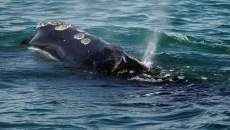
Steep drop in right whale population raises fears

Steep drop in right whale population raises fears
The U.S. National Oceanic and Atmospheric Administration reported that as of January 2019, an estimated 366 North Atlantic right whales remained in the ocean, down from the previous count of 412 in 2018. Oceana Canada campaign director Kim Elmslie said the decline is "a reality check."

Steep drop in right whale population raises fears

Innovation minister defends 'superclusters'

Innovation minister defends 'superclusters'
The B.C.-based Digital Technology supercluster invested recently in a machine-learning chest X-ray tool that helps doctors identify lung abnormalities.

Innovation minister defends 'superclusters'