Trudeau: CERB applicants be ware if you apply for CERB and are found to be ineligible you will face consequences.
Darpan News Desk Darpan, 14 May, 2020 09:36 PM
Prime Minister Justin Trudeau says the government is planning to "clean up after the fact" if the Canada Emergency Response Benefit (CERB) is distributed too widely.
President Donald Trump signalled Wednesday that he's prepared to support easing travel restrictions along the Canada-U.S. border sooner rather than later — although the feeling may not be mutual, given the extent of the COVID-19 outbreak in the United States. Canada is "doing well" in its efforts to control the spread of the virus, Trump said during his daily media briefing at the White House.
A woman is facing criminal charges after RCMP in British Columbia allege she coughed at a grocery clerk who would not let her buy extra tissues. Police say a store in the Vancouver suburb of Coquitlam has set a maximum amount of tissues and toilet paper each customer can buy as the COVID-19 pandemic wears on.
A study commissioned by the Canadian Centre on Substance Use and Addiction suggests some Canadians are drinking more alcohol due to boredom and stress during the COVID-19 pandemic. The poll, conducted by Nanos Research, found 25 per cent of Canadians aged 35 to 54 and 21 per cent of Canadians aged 18 to 34 say they have increased the amount of alcohol they drink while spending more time at home.
Vancouver Symphony Orchestra and BC Ferries have rescinded lay-off notices in anticipation of receiving the Canadian government's emergency wage subsidies. Both BC Ferries and the symphony had planned layoffs to take effect on the Easter weekend as the COVID-19 pandemic drains away their businesses.
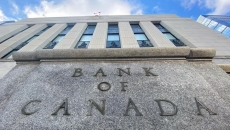
The Bank of Canada is warning that the downturn tied to COVID-19 will be the worst on record and that the economic recovery will depend on the effectiveness of current measures to bring the pandemic under control. The bank announced that it is keeping its key interest rate target on hold at 0.25 per cent, saying that it is effectively as low as it can go to combat the economic impacts of COVID-19.
The federal government is making changes to its COVID-19 programs to send emergency aid to seasonal workers without jobs and those whose hours have been drastically cut but who still have some income. The changes will also allow people who are making up to $1,000 a month to qualify for the Canada Emergency Response Benefit, as well as those whose employment insurance benefits have run out since the start of the calendar year.