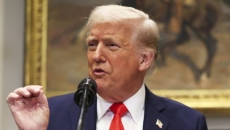
U.S. President Donald Trump's steep tariffs have been paused temporarily on some Canadian products, sowing confusion and bringing little relief from a trade war with Canada's biggest trading partner.
Trump signed an executive order Thursday delaying tariffs on goods that meet the rules-of-origin requirements under the Canada-U.S.-Mexico Agreement, often referred to as CUSMA, and lowering levies on potash to 10 per cent, until April 2.
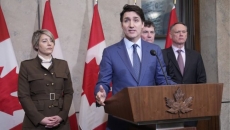
Ottawa responded by suspending a second wave of retaliatory tariffs that were to take effect in three weeks.
The latest pause brought much additional uncertainty to businesses on both sides of the border. They now have to delve into the CUSMA trade pact's complex country-of-origin rules to determine which products are still facing Trump's tariffs.
CUSMA was negotiated during the first Trump administration to replace the North American Free Trade Agreement. By and large, it allows tariff-free trade in goods as long as they comply with certain rules regarding the origin of their components.
Trade lawyers say that since those rules-of-origin can be complicated, some businesses have opted in the past to simply pay low tariffs instead of doing the paperwork and paying the fees to find out if their items were compliant. Thursday's order excludes those businesses from Trump's latest tariff exemption.
Some businesses may now seek a CUSMA preference, while others might forego the expense because Trump's tariff policy seems to shift frequently.
"Although this is a major reprieve to some companies, not all companies will be able to qualify their products under the complex (CUSMA) rules of origin," said William Pellerin, a Canadian trade lawyer and partner at McMillan LLP in Ottawa.
Markets have been in turmoil since Trump followed through Tuesday on his threat to impose a sweeping 25 per cent tariff on goods from Canada and Mexico, with a lower 10 per cent charge on Canadian energy.
Trump said Thursday he thinks there will be "a little short term interruption" to the economy but he doesn't "think it will be big."
U.S. National Economic Council Director Kevin Hassett echoed Trump's statements, telling reporters at the White House on Friday that he doesn't think "there's going to be a heck of a lot of uncertainty."
"Some people said, you know, it looks like … there's some disorder, because you're changing the parameters. But that's what negotiations are," Hassett said.
"You say, 'Hey, if you do this, if you do that, then I'll move the parameters,' because we'll show that we're making progress. So the Canadians and the Mexicans have made a lot of progress, and that's why we revised the tariff schedules along the way."
Trump has also ordered 25 per cent tariffs on all steel and aluminum imports into the United States as of March 12 — tariffs the White House has confirmed would stack on top of the other duties imposed on Canada. Trump also signed an executive order to implement "reciprocal tariffs" starting April 2.
That refers to imposing tariffs to respond to what the United States feels are trade barriers and tariffs already in place in other countries.
Hassett said he expects more "certainty" after those duties are implemented.
Other potential targets for Trump's increased tariffs include automobiles, copper, lumber and agricultural products.
When asked whether there would be further tariff exemptions after Trump's latest order — which the president said was meant to protect the automobile industry and farmers — Hassett said "(Trump) really doesn't like the word exemption."
"If I walk in and offer an exemption, then I'll probably get kicked out of the office," he said. "So we’ll see how it goes. There may be some. I doubt it."
U.S. President Donald Trump's steep tariffs have been paused temporarily on some Canadian products, sowing confusion and bringing little relief from a trade war with Canada's biggest trading partner.
Trump signed an executive order Thursday delaying tariffs on goods that meet the rules-of-origin requirements under the Canada-U.S.-Mexico Agreement, often referred to as CUSMA, and lowering levies on potash to 10 per cent, until April 2.
Ottawa responded by suspending a second wave of retaliatory tariffs that were to take effect in three weeks.
The latest pause brought much additional uncertainty to businesses on both sides of the border. They now have to delve into the CUSMA trade pact's complex country-of-origin rules to determine which products are still facing Trump's tariffs.
CUSMA was negotiated during the first Trump administration to replace the North American Free Trade Agreement. By and large, it allows tariff-free trade in goods as long as they comply with certain rules regarding the origin of their components.
Trade lawyers say that since those rules-of-origin can be complicated, some businesses have opted in the past to simply pay low tariffs instead of doing the paperwork and paying the fees to find out if their items were compliant. Thursday's order excludes those businesses from Trump's latest tariff exemption.
Some businesses may now seek a CUSMA preference, while others might forego the expense because Trump's tariff policy seems to shift frequently.
"Although this is a major reprieve to some companies, not all companies will be able to qualify their products under the complex (CUSMA) rules of origin," said William Pellerin, a Canadian trade lawyer and partner at McMillan LLP in Ottawa.
Markets have been in turmoil since Trump followed through Tuesday on his threat to impose a sweeping 25 per cent tariff on goods from Canada and Mexico, with a lower 10 per cent charge on Canadian energy.
Trump said Thursday he thinks there will be "a little short term interruption" to the economy but he doesn't "think it will be big."
U.S. National Economic Council Director Kevin Hassett echoed Trump's statements, telling reporters at the White House on Friday that he doesn't think "there's going to be a heck of a lot of uncertainty."
"Some people said, you know, it looks like … there's some disorder, because you're changing the parameters. But that's what negotiations are," Hassett said.
"You say, 'Hey, if you do this, if you do that, then I'll move the parameters,' because we'll show that we're making progress. So the Canadians and the Mexicans have made a lot of progress, and that's why we revised the tariff schedules along the way."
Trump has also ordered 25 per cent tariffs on all steel and aluminum imports into the United States as of March 12 — tariffs the White House has confirmed would stack on top of the other duties imposed on Canada. Trump also signed an executive order to implement "reciprocal tariffs" starting April 2.
That refers to imposing tariffs to respond to what the United States feels are trade barriers and tariffs already in place in other countries.
Hassett said he expects more "certainty" after those duties are implemented.
Other potential targets for Trump's increased tariffs include automobiles, copper, lumber and agricultural products.
When asked whether there would be further tariff exemptions after Trump's latest order — which the president said was meant to protect the automobile industry and farmers — Hassett said "(Trump) really doesn't like the word exemption."
"If I walk in and offer an exemption, then I'll probably get kicked out of the office," he said. "So we’ll see how it goes. There may be some. I doubt it."
U.S. President Donald Trump's steep tariffs have been paused temporarily on some Canadian products, sowing confusion and bringing little relief from a trade war with Canada's biggest trading partner.
Trump signed an executive order Thursday delaying tariffs on goods that meet the rules-of-origin requirements under the Canada-U.S.-Mexico Agreement, often referred to as CUSMA, and lowering levies on potash to 10 per cent, until April 2.
Ottawa responded by suspending a second wave of retaliatory tariffs that were to take effect in three weeks.
The latest pause brought much additional uncertainty to businesses on both sides of the border. They now have to delve into the CUSMA trade pact's complex country-of-origin rules to determine which products are still facing Trump's tariffs.
CUSMA was negotiated during the first Trump administration to replace the North American Free Trade Agreement. By and large, it allows tariff-free trade in goods as long as they comply with certain rules regarding the origin of their components.
Trade lawyers say that since those rules-of-origin can be complicated, some businesses have opted in the past to simply pay low tariffs instead of doing the paperwork and paying the fees to find out if their items were compliant. Thursday's order excludes those businesses from Trump's latest tariff exemption.
Some businesses may now seek a CUSMA preference, while others might forego the expense because Trump's tariff policy seems to shift frequently.
"Although this is a major reprieve to some companies, not all companies will be able to qualify their products under the complex (CUSMA) rules of origin," said William Pellerin, a Canadian trade lawyer and partner at McMillan LLP in Ottawa.
Markets have been in turmoil since Trump followed through Tuesday on his threat to impose a sweeping 25 per cent tariff on goods from Canada and Mexico, with a lower 10 per cent charge on Canadian energy.
Trump said Thursday he thinks there will be "a little short term interruption" to the economy but he doesn't "think it will be big."
U.S. National Economic Council Director Kevin Hassett echoed Trump's statements, telling reporters at the White House on Friday that he doesn't think "there's going to be a heck of a lot of uncertainty."
"Some people said, you know, it looks like … there's some disorder, because you're changing the parameters. But that's what negotiations are," Hassett said.
"You say, 'Hey, if you do this, if you do that, then I'll move the parameters,' because we'll show that we're making progress. So the Canadians and the Mexicans have made a lot of progress, and that's why we revised the tariff schedules along the way."
Trump has also ordered 25 per cent tariffs on all steel and aluminum imports into the United States as of March 12 — tariffs the White House has confirmed would stack on top of the other duties imposed on Canada. Trump also signed an executive order to implement "reciprocal tariffs" starting April 2.
That refers to imposing tariffs to respond to what the United States feels are trade barriers and tariffs already in place in other countries.
Hassett said he expects more "certainty" after those duties are implemented.
Other potential targets for Trump's increased tariffs include automobiles, copper, lumber and agricultural products.
When asked whether there would be further tariff exemptions after Trump's latest order — which the president said was meant to protect the automobile industry and farmers — Hassett said "(Trump) really doesn't like the word exemption."
"If I walk in and offer an exemption, then I'll probably get kicked out of the office," he said. "So we’ll see how it goes. There may be some. I doubt it."