OTTAWA - Employees in the core federal public sector who have not been fully vaccinated against COVID-19 will be put on unpaid leave today, unless they were already granted an accommodation.
The policy could potentially leave more than 1,000 workers without pay and unable to access employment insurance benefits.
As of Nov. 3, the vast majority — about 95 per cent — of federal public servants were reported to be fully vaccinated.
Of the 267,222employees who declared their status, a little over 3,150 have requested some kind of accommodation so they can work without a full slate of vaccines.
The government said 1,255 workers reported that they are completely unvaccinated, which represents about 0.5 per cent of employees who've declared their vaccine status.
There are 7,284 workers with only one shot of a COVID-19 vaccine. They have been given 10 weeks after their first dose to receive their second shot before they are also put on unpaid leave.
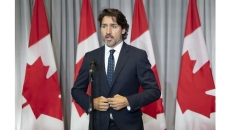
The government said it would accommodate employees who cannot be vaccinated for health, religious, or other reasons protected under the Human Rights Act, but Prime Minister Justin Trudeau warned at the outset of the policy that exemptions and accommodations would be difficult to obtain.
The Treasury Board Secretariat has not yet released how many unvaccinated or partially vaccinated employees have received some kind of accommodation, such as the opportunity to work from home.
Several federal public sector unions have said they plan to file grievances if they feel an employee's human rights were not respected.
The largest federal union, the Public Service Alliance of Canada, has encouraged members to be vaccinated if possible.
"If you choose not to get vaccinated for personal reasons, PSAC will look at your case and — if your human rights or workplace rights are being violated — PSAC will support you," the union's website reads.
The union believes there is a "strong possibility" that the government policy will withstand any legal challenges put forward.
The policy will be reviewed every six months, and is expected to remain in effect for the duration of the COVID-19 pandemic.