VANCOUVER — Fraser Stuart looks at a chic, new tattoo shop metres away from the heart of Vancouver's notorious Downtown Eastside and shakes his head.
A man saunters by mumbling "Drugs?" and flashes plastic bags in the palm of each hand.
Inside, a young man in tight jeans and a toque chats with a tattoo artist, a bear's head hangs from the wall.
"Ridiculous," says Stuart, a longtime resident and activist in the neighbourhood.
"There's also a bicycle shop up the street where you can buy a $7,000 bicycle, if you want."
There is a shift happening in the makeup of what has been called Canada's poorest postal code, known as home for people struggling with mental illness, addiction and homelessness.
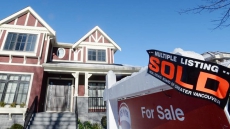
Entrepreneurs, developers and more affluent residents have moved into the neighbourhood's periphery at an accelerating rate, thanks to skyrocketing real estate prices elsewhere in the city, loosened zoning restrictions and the community's burgeoning appeal as a hip and happening place.
Dan Olson, who opened Railtown Cafe in the district's northern fringe five years ago, said he was shocked when he first visited the area.
"I kind of looked around the neighbourhood and thought, there's no way that I want to open up a restaurant here," he said.
Things have changed for the better, Olson said, though there are still issues with needles in the alleys and makeshift tents around his business.
A recent surge in property values reflects the accelerating change, said Landon Hoyt, head of the area's business improvement association.
Numbers he provided show the assessed value of commercial property in the area jumped 11 per cent in 2015, 17 per cent in 2016 and 30 per cent this year.
"We're seeing a lot of businesses close because of that," he said.
The transition hasn't been without conflict.
Brandon Grossutti opened Pidgin restaurant five years ago on the border of the Downtown Eastside, prompting pickets for months from protesters who said the business was a symbol of gentrification.
But for Grossutti, who also has partnerships with non-profit organizations in the area, the decision to locate in the neighbourhood was partly a matter of survival.
"The math doesn't make sense to open an independent business anywhere in Vancouver short of lower-rent districts," he said.
Everyone in Vancouver is being displaced by property prices, though it is far more difficult for the city's most vulnerable, Grossutti said.
"People always talk about pushing. I feel like it's being squeezed," he said, blaming a city planning project that restricted development to neighbourhoods immediately surrounding the district's core.
Community activists are protesting the pressure felt by lower-income residents.
Jean Swanson of the Carnegie Community Action Project contributed to a report last year that criticized the city for its failure to protect the most vulnerable in the Downtown Eastside by welcoming businesses and development that cater to higher-income residents and visitors.
The pressure is inflating rental prices, which means more residents are being forced onto the street.
"Some people are pushed out of the neighbourhood," Swanson said. "But for a lot of them, there's just no other place to go. There's no affordable housing, so people just stay on the streets. That's all they can do."
Real estate agent Adam Scalena said he has noticed an abrupt shift in the interest clients are showing in the area's neighbourhoods.
"It used to be, 'I want to live in Kits or Yaletown or the West End,' " Scalena said. "Now we're hearing almost continuously young people and even downsizers and people new to Vancouver saying, 'I want to live in Strathcona. I want to live in Chinatown. I want to live in Railtown.' "
Some of the best bars and restaurants are in the area and people are moving in for lifestyle reasons, he said.
Plans to redevelop the nearby waterfront area of False Creek Flats, including the new home for St. Paul's Hospital, will increase the pressure, Scalena added.
"It's going to be very hard for … the residents who have been here for many years to remain," Scalena said.
The city is conscious of the challenges and its 2014 local area plan was meant to cement its approach of "revitalization without displacement," said Tom Wanklin, a planner responsible for the area.
"We are doing our best to manage particularly the heart of the Downtown Eastside, that it is a low-income priority area for those residents, rather than just a complete, open, anybody-can-come transformation process," Wanklin said.
For instance, new businesses mean more jobs, but revitalization also risks putting a squeeze on existing residents, he explained.
The city's development plan emphasizes social housing and rental property, as opposed to condominiums, Wanklin added.
For Stuart, those words ring hollow.
"It's so discouraging because it's just words coming from the city," he said.
Stuart said in the mornings, there are more tents on the streets than he remembers in the past.
In Chinatown, he said, seniors are calling the area Coffeetown because of all the cafes opening up.