
Sunday, June 7, 2026
ADVT 
National

Virus kneecapped Canadian confidence: Poll

Darpan News Desk The Canadian Press, 03 Sep, 2020 07:06 PM
  • Virus kneecapped Canadian confidence: Poll

Confidence in the Canadian economy took a dramatic dive over the summer in the midst of the COVID-19 pandemic — a whipsaw pivot seen around the world but sharper in Canada than any other country surveyed in a new global public opinion poll.

Sixty-one per cent of Canadians who took part in the Pew Research Center survey released Thursday described the country's current economic situation as bad, more than twice the 27 per cent who said the same thing last year.

Of the 14 countries included in the poll, the 12 that were also asked the same question last year all reported double-digit reversals in sentiment, with Canada's 34 percentage-point change leading the way.

"The sharpest uptick in negative assessments has come in Canada, where second-quarter losses in gross domestic product were estimated at 12 per cent," the centre said in a release. "Negative assessments have also grown by 30 percentage points in the UK, U.S. and Australia."

The Canadian segment of the survey, conducted by phone with 1,037 adult respondents between June 15 and July 27, carries a margin of error of 3.7 percentage points, 19 times out of 20.

Of those surveyed in the U.S., 69 per cent said they believe the economy is doing poorly, compared with 30 per cent who disagreed — a finding roughly in line with the 14-country median results of 68 per cent and 31 per cent.

Only in Europe did a majority of respondents say their domestic economies were faring well, with Denmark and Sweden leading the way, at 74 per cent and 68 per cent, respectively.

The two Scandanavian nations are notable for their dramatically different pandemic strategies: Sweden initially adopted a libertarian, herd-immunity approach, while Denmark was the second country in Europe to impose a nationwide lockdown.

"But even (in Sweden), GDP is expected to contract by roughly 5 per cent in 2020, and Swedes are 11 percentage points more likely to think economic conditions in their country are poor than in 2019."

The Pew report documents an unsurprisingly dismal outlook for the world's economic prospects, with Canada and the U.S. as notable outliers.

Of Canadian respondents, 48 per cent said they expect the economy to improve over the next 12 months, compared with 34 per cent who expect the opposite and 17 per cent predicting no change. In the U.S., the optimism is even stronger: 52 per cent said they see a brighter future ahead, compared with 32 per cent who do not.

Only Spain, Germany and Australia reported similar levels of optimism.

Almost across the board, those who disapproved of how their country has handled the outbreak were more likely to describe the economy as poor. In Canada, 85 per cent of those disappointed in the government's handling of COVID-19 had a negative view of the economy, compared with 58 per cent of those who gave the feds a passing grade on the pandemic.

In the U.S., 87 per cent of those disappointed in the Trump administration's handling of the outbreak described the economy as bad, compared with 50 per cent of those who said the government has done a good job.
MORE National ARTICLES

B.C. woman charged after deliberately coughing on grocery clerk: RCMP Tissues and toilet paper aren't worth arrest

A woman is facing criminal charges after RCMP in British Columbia allege she coughed at a grocery clerk who would not let her buy extra tissues. Police say a store in the Vancouver suburb of Coquitlam has set a maximum amount of tissues and toilet paper each customer can buy as the COVID-19 pandemic wears on.

B.C. woman charged after deliberately coughing on grocery clerk: RCMP Tissues and toilet paper aren't worth arrest

Canadians drinking more due to stress, boredom during COVID-19

A study commissioned by the Canadian Centre on Substance Use and Addiction suggests some Canadians are drinking more alcohol due to boredom and stress during the COVID-19 pandemic. The poll, conducted by Nanos Research, found 25 per cent of Canadians aged 35 to 54 and 21 per cent of Canadians aged 18 to 34 say they have increased the amount of alcohol they drink while spending more time at home.    

Canadians drinking more due to stress, boredom during COVID-19

Ferries, orchestra retract layoffs, await subsidy

Vancouver Symphony Orchestra and BC Ferries have rescinded lay-off notices in anticipation of receiving the Canadian government's emergency wage subsidies. Both BC Ferries and the symphony had planned layoffs to take effect on the Easter weekend as the COVID-19 pandemic drains away their businesses.

Ferries, orchestra retract layoffs, await subsidy

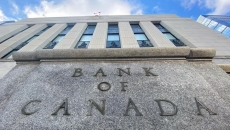
The Bank of Canada announced that it is holding its interest rate target at 0.25 per cent

The Bank of Canada announced that it is holding its interest rate target at 0.25 per cent
The Bank of Canada is warning that the downturn tied to COVID-19 will be the worst on record and that the economic recovery will depend on the effectiveness of current measures to bring the pandemic under control. The bank announced that it is keeping its key interest rate target on hold at 0.25 per cent, saying that it is effectively as low as it can go to combat the economic impacts of COVID-19.

The Bank of Canada announced that it is holding its interest rate target at 0.25 per cent

Liberals ease access to emergency COVID-19 benefit, plan to top-up wages

The federal government is making changes to its COVID-19 programs to send emergency aid to seasonal workers without jobs and those whose hours have been drastically cut but who still have some income. The changes will also allow people who are making up to $1,000 a month to qualify for the Canada Emergency Response Benefit, as well as those whose employment insurance benefits have run out since the start of the calendar year.    

Liberals ease access to emergency COVID-19 benefit, plan to top-up wages

Canada focused on fighting COVID-19 Trudeau steers clear of WHO controversy

Prime Minister Justin Trudeau refused Wednesday to join the escalating global debate about the World Health Organization's handling of the COVID-19 crisis, insisting Canada remains focused on working with experts around the world to combat the pandemic. Trudeau repeatedly batted back questions about Donald Trump's plan to halt funding to the UN agency and review what the U.S. president says was a failure to properly assess the threat posed by the novel coronavirus back in January.

Canada focused on fighting COVID-19 Trudeau steers clear of WHO controversy