WASHINGTON — Self-driving cars are "absolutely not" ready for widespread deployment despite a rush to put them to put them on the road, a robotics expert warned Tuesday.
The cars aren't yet able to handle bad weather, including standing water, drizzling rain, sudden downpours and snow, Missy Cummings, director of Duke University's robotics program, told the Senate commerce committee. And they certainly aren't equipped to follow the directions of a police officer, she said.
While enthusiastic about research into self-driving cars, "I am decidedly less optimistic about what I perceive to be a rush to field systems that are absolutely not ready for widespread deployment, and certainly not ready for humans to be completely taken out of the driver's seat," she said.
It's relatively easy for hackers to take control of the GPS navigation systems of self-driving cars, Cummings said.
"It is feasible that people could commandeer self-driving vehicles ... to do their bidding, which could be malicious or simply just for the thrill of it," she said, adding that privacy of personal data is another concern.
But General Motors and Google officials who testified before the committee voiced worries that a patchwork of state and local laws will hinder deployment of the vehicles. They emphasized that the vast majority of auto fatalities are caused by human error, and self-driving cars hold the potential for eliminating many of those errors. They also pointed to the vehicles' potential to improve the lives of the disabled.
In the past two years, 23 states have introduced 53 pieces of legislation that affect selfdriving cars, said Chris Urmson, director of Google's self-driving car program. He urged lawmakers to move swiftly to grant the secretary of transportation new authority to get "innovative safety technologies" like self-driving cars into the marketplace.

Critics have complained that the cumbersome federal rulemaking process means it sometimes takes the National Highway Traffic Safety Administration close to a decade to set standards and issue regulations for new technologies, by which time the technologies have already been displaced by even newer technologies.
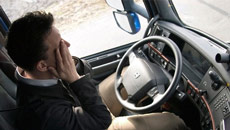
NHTSA said last week in a report there are significant legal hurdles to allowing fully autonomous cars without steering wheels. The agency is working on new policies aimed at getting the self-driving cars on the road sooner.
Michael Ableson, GM's vice-president for strategy, said he believes it will be only a few years before the cars come into use, although they may not be fully autonomous at first.
None of the witnesses except Cummings was willing to say that the government should set minimum standards for the vehicles to protect the privacy of the data they gather and to prevent hacking despite being pressed by Sen. Edward Markey, D-Mass., to support mandatory standards.
"These cars are going to be one big data-gathering machine," Cummings said. "It's not clear who is going to be doing what with that data."
She also said she believes NHTSA's staff doesn't have technological capability to set standards for automakers on what they must do to prevent hacking and protect misuse of data.
The first ride many people will take in a self-driving car is likely to be when they use their cellphone to hail a car through a ridesharing sharing