As summer arrives and Canadians across the country flock outdoors to enjoy the much-awaited sunshine, the importance of sun safety takes center stage.
That said, despite years of public awareness campaigns, sunscreen remains surrounded by myths and misconceptions.
Undoubtedly, sun protection is essential to staying healthy year-round, and understanding the facts can help everyone make smarter choices for their skin.
Myth #1: Sunscreen is only needed on sunny days or at the beach.
One of the most persistent misconceptions is that sunscreen is only necessary on sunny days, tropical vacations, or when spending long hours outdoors. In reality, harmful UV rays are always present, regardless of the weather or season.
"Most people believe sunscreen is only necessary to apply on sunny days, at the beach, or in tropical places, but UV rays can penetrate clouds and windows year-round," says Garica Pataria, esthetician and owner of Sculpt Skin Bar.
Even indoors, UV rays can filter through windows and contribute to skin damage over time. Consistent daily application is critical to protecting your skin from premature aging and reducing the risk of skin cancer.
Myth #2: People with darker skin tones don’t need sunscreen.
A dangerous myth is that people with darker skin tones are naturally protected from sun damage and don’t require sunscreen. While it's true that higher melanin levels provide some natural defense, the protection is not complete.
Corrective Skin Specialist Sarah Kazimi echoes this point, emphasizing that darker skin tones can still experience hyperpigmentation, sunspots, and even skin cancer. "All skin types are at risk of sun damage and hyperpigmentation," she says. Sunscreen is a universal necessity, regardless of skin tone, to maintain healthy, even-toned skin and minimize long-term damage.

Myth #3: Sunscreen entirely prevents you from tanning.
Pataria highlights a common misconception she hears frequently in her practice: "Funnily, many people believe sunscreen blocks our skin from getting ‘darker’, which is not true but always a good conversation opener."
Sunscreen helps prevent burning and excessive damage, but does not completely block all tanning, especially if sun exposure is prolonged.
The goal of sunscreen is not to eliminate tanning in totality, but to protect the skin from harmful UV rays that accelerate aging and increase cancer risk.
Chemical vs. Mineral Sunscreens: What’s the Difference?
When it comes to choosing sunscreen, many people are confused by the variety of options in the market, particularly the difference between chemical and mineral formulas.
Both types are effective when used properly, but work in different ways. "Chemical sunscreens work to absorb UV rays, while mineral ones, like zinc oxide or titanium dioxide, sit on the skin’s surface and reflect UV rays off," Pataria explains.
Kazimi adds, "Mineral sunscreens are often preferred for sensitive skin and are less likely to irritate, while chemical sunscreens tend to be more lightweight and invisible on the skin." This makes chemical sunscreens an attractive option for individuals with deeper skin tones who want to avoid a noticeable white cast.
Mystery Solved: What to Look for in a Sunscreen
Choosing the right sunscreen can be overwhelming, but both Pataria and Kazimi emphasize a few key factors:
- Always select a broad-spectrum sunscreen that protects against both UVA and UVB rays, with an SPF of at least 30.
- Look for a formula that blends well without leaving a white cast. Chemical or hybrid sunscreens usually blend in better. Gel, serum, or tinted options are often better for darker skin.
- Look for sunscreens that contain additional skincare ingredients like niacinamide or hyaluronic acid, which offer added hydration and anti-aging benefits.
Sun Safety Tips: Consistency Is Key
Even the best sunscreen won’t be effective if it’s not applied correctly and consistently.
"Consistency is key! Sunscreen only works if you apply enough and reapply every two hours when outdoors. Also, remember that SPF in makeup or moisturizers alone usually isn't enough," Pataria stresses. She further reminds her clients to apply sunscreen to often-forgotten areas such as the ears, lips, and tops of feet.
Kazimi reinforces the importance of reapplication, especially when spending time outdoors or sweating: "Reapplication is just as important as applying in the first place, especially if you're outdoors or sweating." She highlights that sunscreen is your best defense against premature aging, uneven skin tone, and skin cancer, making it an essential part of everyone’s daily routine.
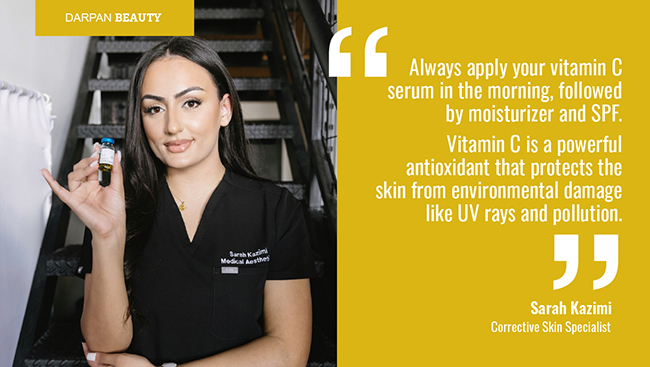
Kazimi offers an additional pro tip for maximizing sun protection: "Always apply your vitamin C serum in the morning, followed by moisturizer and SPF. Vitamin C is a powerful antioxidant that protects the skin from environmental damage like UV rays and pollution." She explains that vitamin C enhances sunscreen’s effectiveness, brightens the skin, and helps prevent signs of aging.
The Bottom Line: Daily Sunscreen is Non-Negotiable
Sun safety isn’t just a summer concern, but a year-round commitment. By understanding the facts, debunking myths, and building good habits, we can all enjoy the sun safely while keeping our skin healthy for years to come!