In a world constantly juggling productivity, mental fatigue, and a flood of wellness trends, one community-driven initiative is cutting through the noise.
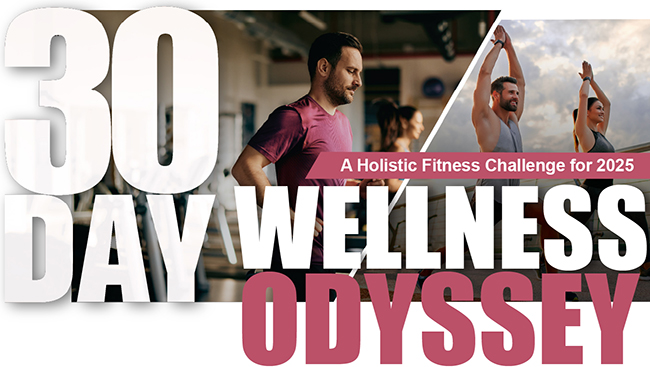
Midway through 2025, “The 30-Day Wellness Odyssey” has emerged as a cultural reset, a month-long challenge that goes far beyond burpees and salads. It’s a holistic wellness experience designed for individuals who want to feel stronger, think clearly, and stay connected, all in one journey.
The Odyssey isn’t just another calendar-based bootcamp. It’s a reimagination of what it means to be truly well, combining physical activity, mental clarity, and community support. Designed for people seeking balance rather than burnout, this challenge integrates daily fitness, mindfulness practices, and interactive group engagement. It offers participants the opportunity to build sustainable habits and feel good doing it.
The Shift Toward Intentional Wellness
In the aftermath of the global health crisis, the concept of wellness has fundamentally evolved. People no longer view health through a purely physical lens. Instead, there’s a growing demand for routines that integrate the mind and body, supported by technology and real human connection. The 30-Day Wellness Odyssey taps directly into this shift, offering a curated daily experience that’s structured but never rigid.
Each day unfolds with a new focus, combining dynamic physical training with calming mental health practices. This is wellness that adapts to real life, whether you're a working parent, a student, or simply someone looking to reset midyear.

From HIIT to Yoga: Fitness That Works in Real Life
What makes the Odyssey’s movement philosophy stand out is its variety and practicality. Instead of promoting a type of exercise, the challenge rotates through a blend of training styles to create a well-rounded foundation. High-intensity interval training is balanced with restorative yoga. Functional fitness—think squatting, lifting, stretching—is built into the weekly flow to simulate and improve everyday activities. Pilates and mobility sessions are layered to improve posture and prevent injuries.

One of the most talked-about components of the program is the “Functional Fitness Gauntlet.” During this themed week, participants tackle exercises inspired by daily life—carrying groceries, taking stairs, lifting safely, and managing physical tasks with confidence. It's a reminder that fitness isn’t just about performance in the gym; it’s about improving the way we move through the world.
Reclaiming the Mind: The “Reset” We All Need
While the physical aspect of the Odyssey is strong, the inclusion of daily mindfulness sets it apart. Known as the “Mind-Body Reset,” this part of the challenge invites participants to spend a few minutes each day focused inward, through guided meditation, reflection prompts, or light journaling.
The idea isn’t to create another task on the to-do list. It’s to build a moment of stillness into each day, helping participants manage stress, reframe challenges, and cultivate a more intentional mindset. Backed by research from institutions like Harvard, this approach underscores that wellness doesn’t stop at the gym door.
The Power of People: Accountability and Connection
At its core, the 30-Day Wellness Odyssey thrives because of its community. Unlike many solo fitness programs, this challenge is built to be shared. Participants are encouraged to connect with others through a dedicated online platform.
Each week features fun, thematic mini-challenges like “Plank & Praise,” where users perform timed planks while giving shoutouts to fellow participants. Another popular initiative, “Step Into 2025,” gamifies walking goals by assigning virtual destinations to step counts, turning 10,000 steps into a walk to Machu Picchu or the Pyramids of Giza. This sense of shared progress helps build momentum and keeps motivation high.
Fueling the Body with Real Food
No wellness journey is complete without nutrition, and the Odyssey takes a refreshingly inclusive approach with its “30-Day Nutrition Sprint.” Rather than prescribed rigid meal plans, the challenge focuses on gentle behavioral shifts that add value. Participants might aim to include a leafy green with each meal one week, then try cooking a new whole-food recipe the next. Hydration reminders and mindful eating practices round out the guidance.
The result is a nutritional experience that feels empowering, not punishing. By focusing on addition over restriction, participants build habits that stick and improve energy, digestion, and mood along the way.
Tech That Keeps You Going
Behind the scenes, a custom-built app powers the entire challenge. Easy to use and beautifully designed, the app delivers daily workout videos, mindfulness cues, and journaling spaces. It tracks progress in real time and awards digital badges for milestones like workout streaks, hydration goals, or group participation.
Perhaps, most importantly, the app integrates personal data in a way that feels motivating, not invasive. Participants can monitor their trends over time and adjust their pace, with nudges and notifications that feel supportive, not stressful.
Who Is It For and Why It Works
The Odyssey is open to everyone, regardless of age, fitness level, or schedule. Its flexible structure makes it especially appealing to busy professionals, parents, and anyone who’s struggled to maintain a rigid fitness plan in the past. There’s no special equipment required, no gym membership needed, just a willingness to show up, day by day.
Whether you’re aiming to reset, rebuild, or simply reconnect with your well-being, this challenge offers a map. And the journey? It’s one where you won’t be walking alone.