A few things to keep in mind if you want to keep fit, healthy, and happy through your recovery period.

Injuries happen. For any number of reasons — usually that we don’t see coming — we end up with pulled muscles, broken bones, torn ligaments, or any of the many other afflictions that can inhibit our bodies. And when it comes to fitness, few things can be as detrimental as an injury. Sometimes an injury requires cutting out our fitness routine altogether, at least temporarily, but if you’re lucky, there are still things you can do to ensure that you don’t lose your hard-earned muscle or pack on fat while waiting to recover.
Here are a few things to keep in mind if you want to keep fit, healthy, and happy through your recovery period.

Check With Your Doctor
First and foremost, talk with your doctor to make sure that exercise is doable at all. Fitness is important, but so is giving your body the time and rest it needs to heal. Oftentimes there is much you can do to work around an injury, but check to make sure that your efforts won’t slow your recovery or make the damage more severe.
Take It Slow
Even if the majority of your body is undamaged and technically fine for exercise, remember that your body needs a lot of energy to heal an injury. If your body is throwing all its energy into recovering from hard workouts, it can slow your recovery. Dial back your routine in terms of weight, repetitions, and workout length. You can gradually work back up to your pre-injury levels, but initially, give your body a chance to rest.

Don’t Forget To Warm Up
Stretching is a great way to prevent yourself from getting injured in the first place, but it can also help you heal and keep your injury from worsening. Stretching promotes healthy circulation, which is great for recovery. Begin your workout with 10-15 minutes of stretching, then start out each individual exercise with a low-weight set to get your muscles warmed up.
Work Around It
If your injury is limited to a single area, you can oftentimes work out other parts of the body without concern. A broken ankle might slam the brakes on your mobility, but it doesn’t mean you have to stop doing your bench-press. It is important to note, however, that some body parts are integral to the motion of others. A torn rotator cuff, for example, might seem like it’s only part of the shoulder, but it plays an important role in muscles throughout your arms and upper body. Exercising these connected muscles can end up exacerbating the injury even if you avoid the hurt area itself.

Pay Careful Attention To Nutrition
Nutrition is always the most important aspect of fitness, but this is especially true when you’re hurt. The injured area requires plenty of the right nutrients to ensure recovery, with protein, vitamin C, calcium, and zinc being among the most valuable. While you want to eat plenty of healthy food to ensure that your body has all it needs to heal and work out, it can be all-too-easy to take this too far. Nothing provides comfort like calories, but overdo it and you’ll come out of the other side of your injury with a lot of fat to lose. So eat well, but consider tracking your calories to ensure that you’re not going to balloon up.
Focus On Your Mental Fitness
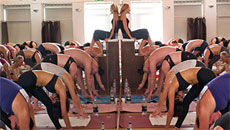
One of the most damaging aspects of an injury can be mental. Pain, limited or lost mobility, interrupted progress in your fitness routine — all of this can be hard on your mind. Stay positive and use your recovery period as an opportunity to exercise your brain. Read that book you’ve had on your shelf forever. Watch some good films. Take up drawing or painting. Enroll in an online course. If your mobility allows, do yoga. Meditate.
And if you find your ability to maintain a positive outlook slipping, seek help. Reach out to a friend. Connect with people on social media who have a similar injury. Talk with a therapist. Studies have shown that a positive outlook will not only help you stay sane through your recovery, but that it can actually help you recover faster. So keep your chin up, and do whatever it takes to maintain a healthy mind.