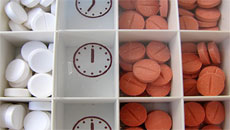
The phenomenon is more common than you may think, with nearly half of the Canadian population suffering through anxiety.

A pit in your stomach, frequent restlessness, and unexplainable light-headedness – anxiety can creep up in unexpected forms. That said, the phenomenon is more common than you may think, with nearly half of the Canadian population suffering through anxiety. For the other half, anxiety can be difficult to understand. Feeling anxious before an exam is one thing, but prolonged symptoms are problematic and cannot be ignored.
Sidney Philip, Correctional Mental Health Worker at The Salvation Army Harbour Light, describes anxiety as a mental and physical reaction to perceived threats. He elaborates, “In small doses, anxiety is helpful. It protects us from danger and focuses our attention on problems. However, when anxiety is too severe or occurs too frequently, it become debilitating.” In simpler terms, when routine activities become difficult to execute and daily life gets impacted to a point where one is constantly worrying, it cannot be overlooked.
When it comes to why anxiety occurs, the reasons range and arguably revolve around a variety of themes such as genetics, a life-altering event, personality, or even over-the-counter medications such as Advil. Furthermore, seasonal changes may also be related to anxiety. Sofia Walia, a nursing student at the University of British Columbia, explains, “In winter months, everyone gets busy and you don’t interact as much with others. Thus, these seasonal changes can allow one to feel isolated; the highest rate of loneliness is during winter time, which then correlates to anxiety.” Philip summarizes that anxiety can be caused by factors such as conflict, health problems, dangerous situations, death, and unmet needs, spiritual problems, or false beliefs.

Although anxiety should never be ignored, it is essential to recognize if the anxiousness is the condition or the symptom. Rather than an anxiety disorder itself, anxiety may be a sign or symptom of another underlying health issue, such as depression. Regardless, to cope with anxiety, we can look at tools from two lenses: short term and long term.
When undergoing anxious thoughts, here are some actions that can help calm the uneasiness:
Physical activity
Go for a quick jog, play your favourite sport or skip the rope. Exercise can release endorphins that aid in subsiding the negative emotions.
Calm breathing
Philip suggests slowing down the breathing when feeling anxious or stressed to help cool down. Imagining yourself in a happy place and letting your muscles relax is a great addition to this exercise.
Art
Writing, drawing, painting and even singing can channel your energy into creativity and help see the positive side of things.
Indulge in a hobby or activity
Be it a warm bath, reading a book or cleaning your room, taking your mind off the current situation can be a quick deterrent.
Talk it out
Reach out to a trusted friend or family member to verbalize how you are feeling. Confiding in somebody can lift off half the burden and lessen the anxious nerves. If someone shares their story with you, be an active listener and do not dismiss their feelings. Instead, ask how you can be of help.

While the above can assist in immediate help, the fix is temporary. Undoubtedly, stigma is the biggest problem for someone dealing with anxiety. Acceptance begins from the self. If anxiety persists as an ongoing issue that interferes with your ability to perform daily tasks, it is time to evaluate yourself. Reflect on your lifestyle to see if you are getting enough sleep, consuming moderate levels of caffeine, connecting with loved ones and exercising regularly. Once you complete the internal checklist, seek help from external sources – and they do not necessarily implicate medication.
Walia describes a common approach used by professionals known as cognitive-behaviour therapy which equips one with tools that can empower an individual to become better versions of themselves (i.e. apps). The behavioural element involves tackling specific behaviours to identify toxic thinking patterns and irrational beliefs.
Just as with any other condition, prevention is key and early detection is the best way to help yourself. As you set foot into the end of the year, take time to understand your feelings. While it is not healthy to diagnose otherwise normal behaviours as anxiety, it never hurts to check in with yourself. Help is closer than you think!