

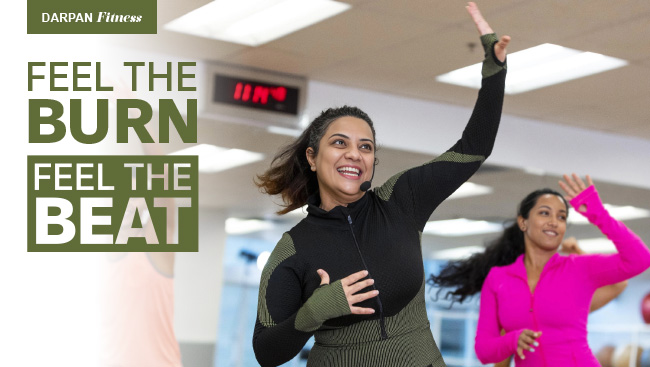
As the calendar flips to 2025, fitness enthusiasts and wellness seekers are poised to embrace a wave of innovative trends reshaping how we move, breathe, and sweat. From tech-driven workouts to holistic approaches, this year promises something for everyone. Whether you're a data-loving athlete or a mindful mover, 2025's fitness forecast will have you lacing up your sneakers or reaching for your smartwatch in no time.
Tech Takes the Lead
Technology is undeniably the star of 2025's fitness show, with wearable technology once again claiming the top spot in the American College of Sports Medicine (ACSM) Worldwide Survey of Fitness Trends. These gadgets, ranging from fitness trackers to smartwatches, go far beyond counting steps. They now provide real-time insights into heart health, sleep patterns and even detect arrhythmias. According to the ACSM report, "Wearable activity trackers can support healthy lifestyle behavior change through goal setting and personalized coaching."
Similarly, mobile exercise apps, ranked second, have skyrocketed in popularity. In 2023 alone, fitness apps saw over 850 million downloads globally, highlighting their adaptability and accessibility. As Dr. Alexios Batrakoulis, a contributor to the ACSM report, puts it, "Apps now offer flexibility, enabling users to blend workouts with their daily routines seamlessly." Whether you're into HIIT or yoga, these apps bring the gym to your fingertips.
Strength and Mindfulness

In an age where physical and mental health intertwine, exercise for mental health holds steady at eighth place. Post-pandemic, the fitness community has embraced movement as medicine for the mind. Activities like yoga, tai chi, and even walking are gaining traction for their stress-reducing and mood-enhancing benefits. Research published in the Journal of Behavioral Medicine found that regular exercise significantly reduces symptoms of anxiety and depression, making this trend a cornerstone of 2025’s wellness landscape.
Meanwhile, traditional strength training has reclaimed its position in the top five, emphasizing the timeless appeal of lifting weights. "Building muscle isn't just about aesthetics—it’s about health, functionality, and longevity," notes Dr. Sarah Camhi, an ACSM panelist. As gym-goers swap machines for free weights, the focus shifts toward mastering technique and progressive overload.
Aging Gracefully
Fitness isn't just for the young and restless. Programs for older adults have secured the third spot in the ACSM's trends list, underscoring the importance of maintaining strength, balance, and mobility as we age. According to Dr. A’Naja Newsome, lead author of the ACSM survey, "The over-60 demographic is redefining fitness goals with more diverse options that go beyond light-intensity classes." Expect to see gyms and community centers offering tailored programs to combat sarcopenia (age-related muscle loss) and improve overall quality of life.
Eco-Friendly Fitness

Sustainability is infiltrating the fitness industry as consumers become more environmentally conscious. From gym equipment made of recycled materials to eco-friendly workout apparel, 2025 is the year of green fitness. Companies are also reducing their carbon footprint by designing energy-efficient gyms and promoting outdoor workouts. Outdoor fitness activities, ranked 13th, are bridging the gap between exercise and nature, offering a breath of fresh air—literally.
Data-Driven Workouts

For those who love precision, data-driven training technology is here to elevate your fitness game. Ranked seventh, these innovations use biofeedback, like heart rate variability and sleep data, to optimize workouts. "The ability to adjust exercise intensity in real-time improves safety and effectiveness, particularly for special populations," explains the ACSM report.
HIIT and Functional Fitness
Despite its intense reputation, high-intensity interval training (HIIT) remains a favorite, climbing to sixth place. Combining short bursts of effort with brief recovery periods, HIIT delivers maximum results in minimal time. It’s perfect for busy professionals looking to squeeze in a workout during their lunch break.
At the same time, functional fitness training, which mimics everyday movements like squatting and lifting, is gaining traction. This modality improves balance, coordination, and core strength, making it ideal for all age groups.
The Rise of Influencer-Led Workouts
Social media is shaping fitness in unexpected ways. Ranked 12th, influencer-led fitness programs are leveraging platforms like TikTok and Instagram to offer engaging, instructor-led content. While the ACSM cautions against following unqualified influencers, the trend underscores the power of digital communities in promoting healthy lifestyles.
2025’s fitness trends reflect a broader shift toward inclusivity, personalization, and holistic wellness. Technology continues to enhance how we approach fitness, but the human connection—whether through a personal trainer, a group class, or an online community—remains vital. As we embrace these trends, let’s remember that the ultimate goal is not just to move more but to live better.
As Dr. Newsome aptly concludes, "The future of fitness is not just about physical health; it’s about fostering mental resilience, community connections, and sustainable practices." So, whether you’re strapping on a smartwatch or heading to a local park, 2025 is your year to move and breathe with intention.


