

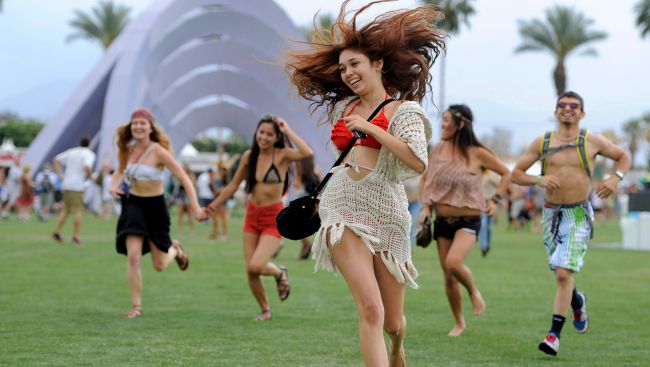
Music festival season has arrived: a time to gather outside with friends, listening to tunes, dancing, and maybe even getting the chance to rub shoulders with musicians you love.
“Live music nourishes your soul and makes you feel truly alive,” says Chris Bro, host of the “Next” radio show in Maryland and a longtime fan of music festivals.
Making the most of the experience also means planning ahead for potential hazards like heat, dehydration and more, say regular festivalgoers and the medical pros who care for them.
The good news is music festivals are safer than ever, thanks to increased focus on on-site medical staff and equipment, says Matt Friedman, national medical director at CrowdRx, which provides medical care at over 20 major music festivals around the country each year.
Different festivals, different risks
Different types of festivals tend to have different types of medical emergencies, Friedman says. Much depends on the type of music, the length of the festival and the heat.
"Jazz music festivals tend have a low medical-usage rate, whereas a heavy metal event will have more blunt traumas from mosh pits and alcohol-related incidents,” he says.
Electronic dance music festivals tend to have friendly crowds, some of whom "occasionally overindulge or make poor decisions regarding stimulant drugs,” Friedman says. Classical music festivals, meanwhile, tend to have more cardiac events, given the older average age of attendees.
“You want to have fun, but it’s really important to stay aware,” says Armelle Gloaguen, a musician who attended classic festivals like Clearwater, founded by Pete Seeger, and Woodstock ’94.
“Be there for the music, not the drugs and alcohol, if you want to remember any of it. Don’t accept food or drinks from strangers, and be aware of your limits,” advises Gloaguen, who owns “Armelle for Kids,” which seeks to bridge cultures through music.
Know the rules, and download the app
Festivals' rules vary, so before you head out, check the parking situation and the list of what you can bring.
For instance, Coachella, the annual festival in Indio, California, doesn’t allow chairs, outside food or umbrellas. At Tanglewood, in western Massachusetts, attendees are welcome to bring chairs and picnics, and umbrellas are fine; they just can’t be over 6 feet across.
Download a festival's app and bring a portable phone charger.
Once there, scope out the terrain. Keep an eye out for the nearest cooling station and medical tent as you figure out where to sit.
Handling the heat
“First and foremost, we see a lot of heat-related illnesses, since temperatures in the desert can get pretty high and rise quickly,” says Julie Puzzo, assistant medical director of the emergency department at JFK Memorial Hospital, near Coachella.
“We see everything from heat cramps to heat stroke, which can be life threatening,” she says.
Hydrate consistently with electrolyte-containing beverages, she says.
Wear layers, a hat and other protective clothing, and avoid excessive alcohol. Opt for non-aerosol sunscreen, since many festival venues ban aerosol sprays.
Festivals where heat is an issue are sometimes equipped with mobile cold-water immersion tanks to cool people down quickly, Friedman says.
At multiday festivals, malnutrition can also be an issue, he says. “People are running on adrenaline for the first two days, but by day three they realize they are dehydrated and exhausted and haven’t eaten nutritious food since they arrived, and this exacerbates any other conditions they might have.”
His top safety tip: Stick with your friends so you can watch out for one another.
Leave sandals, heels and flip-flops at home
Both doctors urge attendees to wear comfortable, closed-toe shoes, since attending a festival can involve more walking that you might expect. And it’s easy to happen upon small stones or other sharp objects on the grounds.
“Trips and falls are common, and we see a lot of sprains and foot contusions,” says Friedman.
Glasses, ear plugs, maybe an inhaler
For anyone susceptible to respiratory problems, it’s a good idea to bring a backup inhaler, since dust-filled wind gusts can exacerbate breathing issues, Puzzo says.
Eye problems like corneal abrasions are not uncommon at festivals, says Friedman, who recommends bringing large sunglasses or even goggles if it’s likely to be dusty.
Outdoor venues can get buggy, too, so consider insect repellent.
Protect your ears by not standing too close to speakers, and bring earplugs, says Greta Stamper, an audiologist at Mayo Clinic in Jacksonville, Florida.
“It is also helpful to take listening pauses during festivals to allow your ears an opportunity to take a break. Having some quieter moments during the day can help your ears recover,” she says.
If you notice that your hearing is muffled or your ears start ringing, your ears are telling you it's too loud, Stamper says.
And if you’re coming with kids, give them added protection with over-the-ear headphones, not just earplugs, Friedman says.
Pace yourself
“Musical festivals are a marathon, not a sprint, so be sensible and take care of yourself,” Friedman says.
As you kick back with friends, it’s easy to have a few drinks too many as the day wears on. Puzzo warns that drugs acquired at some big events might not contain what people think they do. This can be dangerous in any case, and is even more so if combined with extreme heat and alcohol.
Embrace the moment
Don't forget, though, to find joy in the music and the scene.
Enjoy the unexpected, and making connections.
“If you want to talk to your favorite musician, the most meaningful thing you can do is to thank them and talk about a specific song you love and why,” says Gloaguen.
Picture Courtesy: AP Photo/Chris Pizzello, File


