In the pursuit of optimal health and well-being, bolstering respiratory immunity stands as a cornerstone for fortifying the body against various ailments. Amidst the array of approaches available, the naturopathic diet emerges as a promising avenue, offering a holistic framework to elevate respiratory health naturally.
By harnessing the power of fruits, veggies, and herbs, one can cultivate robust immunity tailored to support the respiratory system's intricate functions. Let's explore an array of dietary strategies aimed at reducing inflammation, bolstering lung function, and promoting overall respiratory wellness with the expert help of Sushma PS, the Chief Dietician, of Jindal Naturecure Institute.
Incorporate Anti-Inflammatory Foods
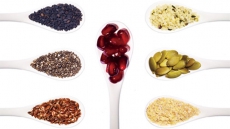
Lung inflammation, a precursor to many health ailments, can be effectively countered by integrating anti-inflammatory foods into one's diet. Omega-3 fatty acids found in flax seeds, spirulina, and chia seeds serve as potent agents in reversing inflammation. Additionally, the enzyme bromelain present in pineapple exhibits anti-inflammatory properties and aids in mucolysis, facilitating the expulsion of mucus from the lungs. Quercetin, abundant in apples, berries, broccoli, and green tea, further combats oxidative stress, thereby reducing inflammation and enhancing respiratory health.
Harness Dietary Phospholipids and Supplements
The integrity of alveolar membranes, essential for optimal lung function, can be reinforced through the consumption of dietary phospholipids and phosphatidylcholine supplements. Foods rich in phospholipids, including soy milk, cereal grains, and oilseeds, contribute to strengthening alveolar membranes, thereby facilitating efficient respiratory exchange and improving breathing patterns.
Embrace a Low FODMAP Diet
Acknowledging the intricate connection between gut health and lung inflammation, adopting a low FODMAP diet emerges as a pivotal strategy. FODMAPs, fermentable carbohydrates found in various foods, can trigger gut irritation and digestive issues, consequently exacerbating lung inflammation. By eliminating high-FODMAP foods such as wheat, rye, dairy products, and certain fruits and vegetables, individuals can alleviate gut discomfort and mitigate the risk of inflammation.
Adopt a Low Histamine Diet
Histamine, a chemical mediator implicated in bronchial constriction and respiratory distress, underscores the significance of a low histamine diet in managing lung inflammation. By incorporating histamine-reducing foods such as leafy vegetables, red onions, grapes, and broccoli, individuals can alleviate mucosal inflammation and optimize lung function.
Opt for a Low-Carb Diet
Respiratory quotient, indicative of efficient oxygen consumption and carbon dioxide production, can be optimized through adherence to a low-carb diet. By minimizing carbohydrate intake and prioritizing high-fat sources, individuals can enhance oxygen utilization and alleviate the respiratory burden associated with conditions such as COPD and lung damage.
Prioritize an Antioxidant-Rich Diet
Combatting oxidative stress, a common precursor to respiratory ailments necessitates the integration of antioxidant-rich foods into one's diet. Pomegranates, guavas, pumpkin seeds, and green leafy vegetables serve as potent sources of antioxidants, neutralizing free radicals and safeguarding lung health against oxidative damage.
Maintain Adequate Hydration
Adequate hydration remains paramount for optimal respiratory function, as it promotes mucosal hydration and facilitates efficient lung functioning. Ensuring regular water intake keeps mucosal linings moist and thin, thereby supporting respiratory health and preventing dehydration-related complications.
Include Anti-Parasitic Foods
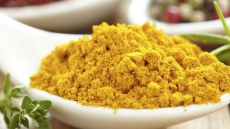
Preventing parasitic infections is crucial for preserving lung health and preventing respiratory ailments. Consuming anti-parasitic foods such as noni juice, pumpkin seeds, turmeric, and neem can help fortify the body's defense mechanisms against parasitic invaders, thereby safeguarding respiratory well-being.
Adopting a naturopathic dietary approach offers a multifaceted strategy for enhancing respiratory health and mitigating inflammation. By incorporating these dietary interventions into your daily routine, you can fortify your respiratory immunity, promote lung function, and embark on a path toward comprehensive wellness.