Statistics Canada notes that 22 per cent (5.4 million) adults are either diagnosed or at high risk for obstructive aleep apnea. Here is how to spot the disease.
Obstructive sleep apnea is a very common condition but remains under diagnosed mainly due to the fact that most symptoms occur during sleep. Statistics Canada notes that 22 per cent (5.4 million) adults are either diagnosed or at high risk for obstructive aleep apnea. Therefore, it is important that individuals suffering from sleep apnea recognize the typical signs and symptoms as early as possible.

What is Obstructive Sleep Apnea?
Obstructive Sleep Apnea (OSA) is a serious and potentially fatal sleep disorder which is very prominent in the South Asian community. Individuals suffering from OSA experience pauses in breathing throughout their sleep. While sleeping, muscles in an individual’s throat sometimes relax and fall, obstructing regular breathing pattern for a few moments.
For individuals with OSA, this happens over and over during their sleep, they wake up multiple times in an hour to breathe. Many times, they don’t even realize it and their oxygen levels drop significantly. When the throat muscles collapse, no oxygen is going into the lungs. The body is then exposed to low oxygen levels and it can stress the cardiovascular system. The low oxygen can cause the heart to beat faster and the blood vessels to constrict.
Overtime, serious health complications such as high blood pressure can occur. Not only that, the body is also constantly waking up through the night so individuals suffering from OSA often feel very fatigued throughout the day.

Signs of OSA:
There are many symptoms of OSA. Some of them include loud snoring, waking up multiple times through the night, waking up gasping or choking from sleep, morning headaches, difficulty with concentration during the day, mood changes, and high blood pressure. There are serious risks if sleep apnea is not treated at the right time. If OSA is left untreated, the body is exposed to higher risk of diseases such as heart attack, stroke, insulin-resistant diabetes, abnormal heart rhythm, and depression.

Treatment for OSA:
For mild OSA, lifestyle changes will be suggested, like weight loss, regular exercise, avoiding consumption of alcohol before bed, quit smoking and not sleeping on your back
For moderate to severe OSA, continuous positive airway pressure (CPAP) is advised as a form of treatment. CPAP therapy consists of a machine that pushes air into the nose or the nose and mouth. This forces the air through the collapsed throat muscles. The goal of this therapy is to ensure that breathing remains uninterrupted through the night.
Patients suffering from OSA begin to notice the positive effects of this therapy as soon as the next morning. With optimal sleep, people tend to feel less tired during the day. Also with consistent use, high blood pressure begins to improve as well. There are countless benefits of treating sleep apnea. The first step towards treatment is by initiating a conversation with your family physician on the condition.
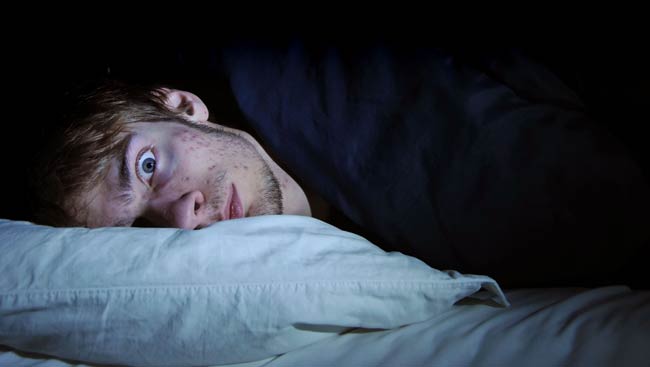
Do you suffer from OSA?
1. Do you snore loudly?
2. Do you often feel tired, sleepy or fatigued during the day?
3. Has anyone observed you stop breathing or choking/gasping during sleep?
4. Do you have or are being treated for high blood pressure?
5. Are you overweight?
6. Is your age greater than 50?
7. Is your neck size greater than 17 inches if male or 16 inches if female?
8. Are you a male?
OSA - Low Risk: Yes to 0-2 questions
OSA - Intermediate Risk: Yes to 3-4 questions
OSA - High Risk: Yes to 5-8 questions
If you are at an intermediate to high risk, speak to your doctor and get tested soon.

About the Authors
Kimin and Gurshan Brar are the directors of Sleep Well Respiratory Care. Both are certified registered respiratory therapists with strong knowledge and experience with the goal to help patients to achieve optimal sleep. Sleep Well specializes in diagnosing, educating, and treating OSA. Sleep Well works alongside specialists and formulate patient specific plans to optimize sleep quality.