Be it an animal, plant or anything in between – we all need water to survive and thrive.
Water is the common element that binds all life forms on this planet. Be it an animal, plant or anything in between – we all need water to survive and thrive. Up to 60% of the human body is made up of water. Apart from keeping your body at the right temperature and flushing out contents that your body does not need, water literally helps all your organs to function.
As per Health Link BC, water loss occurs throughout the day in many different forms. This includes sweating, breathing, bowel movements and urination.

In the summer, we lose even more fluid. When we exercise or when we are sick, additional fluid gets lost. In order to maintain good health, there is a need to continually replace lost fluid in our bodies. In fact, a study released by the US National Library of Medicine (National Institutes of Health) suggests that athletes can perspire between 6% to 10% of body weight during physical activity.
This impacts physical performance. It can be a dangerous thing for your body if enough fluid does not get to your organs. This is known as dehydration, when more fluid is leaving the body than entering it.
Water further aids in digestion and the absorption of nutrients, whilst carrying those nutrients and oxygen to your entire body. As such, water contributes significantly to overall health as it enhances circulation. There are many medical conditions that drinking water can prevent, including kidney stones, constipation and urinary tract infections.
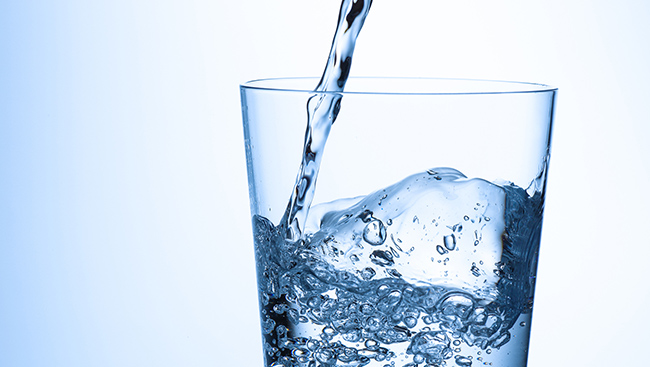
The positive impacts of water intake are not just limited to the body’s internal systems. The skin also benefits from the hydration and produces more collagen. Moreover, water boosts the body’s metabolism, leading to high energy levels. There is also a correlation between water and mood, as dehydration leads to increased fatigue, tiredness, confusion and anxiety.
The usual recommended intake of water per day is 8 cups, although this may vary from person to person. A health care professional should be consulted should you have questions about what is right for you. However, Health Link BC recommends a quick, convenient way to tell if you are drinking enough water, “The easiest way to know if you're drinking enough fluid is to look at the color of your urine. If you're drinking enough water, your urine will be clear or pale yellow. A darker yellow means you aren't drinking enough water.”
Although the health advantages are clear, drinking enough water in a day can seem to be challenging. Many times, it just takes a little persistence to form the habit of drinking enough fluid throughout the day. Starting off the day with water before having anything else is a great way to begin the day right. It is also suggested that you keep a water bottle with you at all times, whether you’re on the move or stationary at a work desk; this increases the likelihood of you taking a sip.
It often seems like added work to ensure that you are drinking lots of water throughout the day. Staying consistent and forming a habit surrounding hydration can go a long way in maintaining your health from both a preventative and reactive standpoint. The evidence is strong and the fact remains undefeated: water works!
7 ways to stay hydrated if water is too plain or boring for you:
Scientist and Broadcast Journalist, Madelyn Fernstrom, PhD, outlines 7 ways to stay hydrated if water is too plain or boring for you:
1. Sprinkle some sparkle: Sparkling, bubbly or carbonated water may be a good alternative if you prefer soda-like drinks.
2. Fun with flavor: Adding fruit chunks or infusing fruits into water can help add a zest.
3. Just juice: Mixing some water with 100% juice content is a more nutrient-rich option.
4. Venture into the Veggies: Fruits and veggies contain high amounts of water. Consider consuming cucumbers, celery, cauliflower, tomatoes, leafy greens, watermelon, strawberries, oranges, and kiwis.
5. Swimming in Soup: Clear or vegetable soups are good sources of fluid.
6. Tea and Coffee: If you drink in moderation, the water loss of caffeine is outweighed by the fluid consumption of tea and coffee.
7. Dear Dairy: Choosing to drink low-fat or non-fat milk, or healthy alternatives like soy milk, is a good route to keep yourself hydrated.